

Many women spend years believing irregular periods and hormonal symptoms are “normal.” This Menstrual Health Awareness Month, learn why conversations about PCOS, hormonal imbalance, and women’s health matter more than ever in the Philippines and worldwide.
For many women, conversations about menstruation were never truly comfortable growing up.
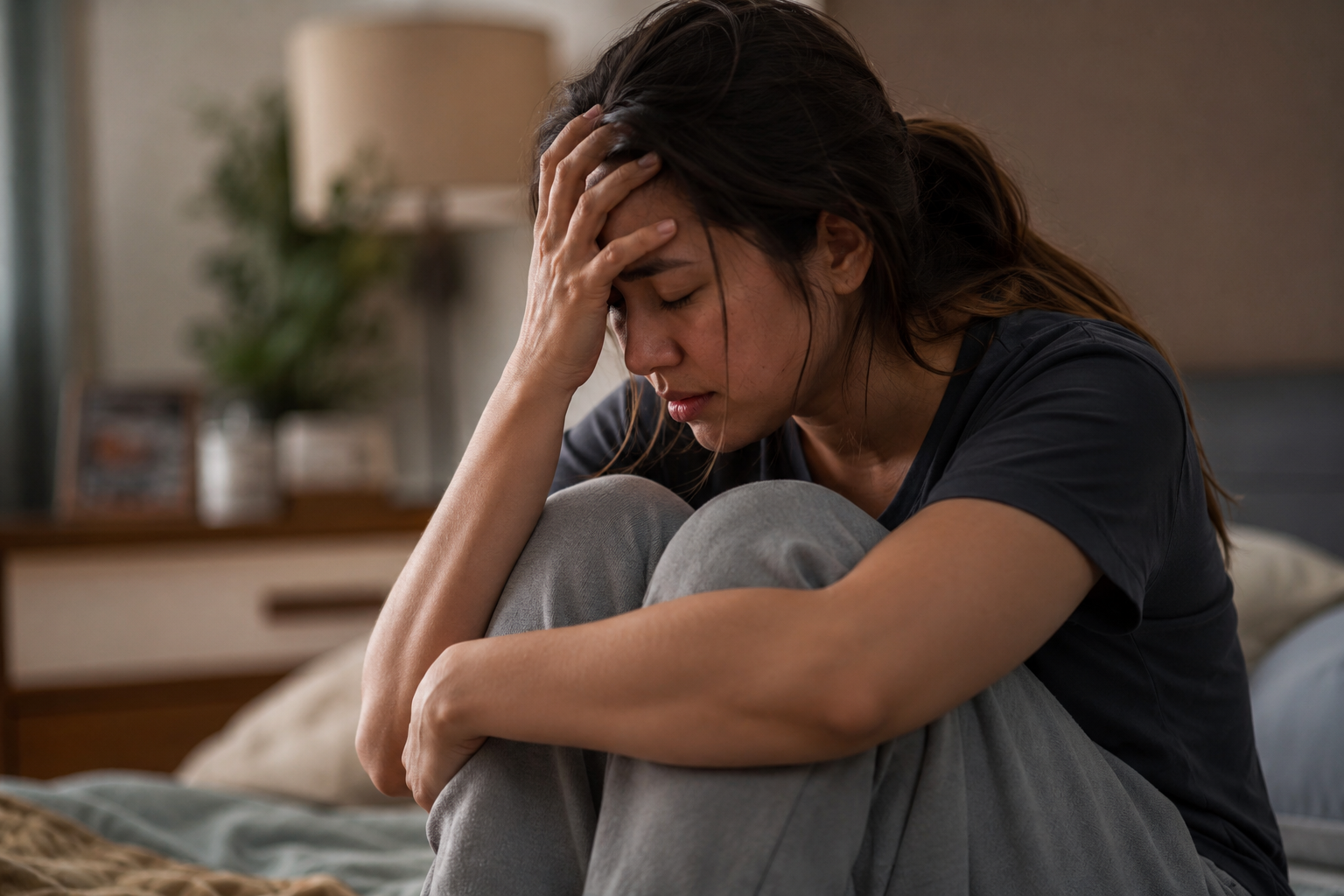
Some were taught to hide period pain quietly. Others learned to act as if severe cramps, emotional exhaustion, or irregular menstruation were simply normal parts of being a woman. Many grew up hearing phrases like “that is normal,” “that is just a stress” or “that is normal to women.”
Over time, countless women learned to normalize symptoms they should have been asking questions about much earlier.
And sadly, this is one reason why many women with hormonal imbalance and Polycystic Ovary Syndrome (PCOS) spend years without proper answers. That is why conversations surrounding Menstrual Health Awareness Month are becoming more important globally — especially now that more women are finally becoming vocal about reproductive health, hormonal imbalance, and menstrual wellness.
Across social media platforms, healthcare communities, advocacy groups, and women’s health organizations, conversations about menstrual health are becoming louder than ever before.
More women are openly discussing irregular periods, hormonal acne, infertility fears, emotional exhaustion, anxiety connected to hormonal imbalance, and the silent struggles that many women quietly experience every single month and honestly, this conversation is deeply needed in the Philippines. Because despite how common hormonal conditions like PCOS have become, many Filipinas still grow up without enough education about menstrual health and hormonal wellness.
Many only realize something is wrong years later.
Some discover it after struggling with fertility concerns. Others only seek medical help after symptoms become emotionally exhausting.
And many spend years silently wondering why their bodies feel different from everyone else around them.

What Is Menstrual Health Awareness Month?
In recent years, organizations and advocacy groups have increasingly recognized May as Menstrual Health Awareness Month or National Menstrual Health Awareness Month.
One of the organizations helping promote this conversation online is The Fibroid Foundation, which publicly encouraged awareness campaigns surrounding menstrual health this May. Meanwhile, the globally recognized awareness day connected to menstrual health is Menstrual Hygiene Day, observed every May 28 worldwide.
The movement was first initiated by the German-based NGO WASH United in 2013 and officially observed beginning in 2014.
The campaign was created to help break stigma surrounding menstruation and encourage conversations about menstrual hygiene, education, and reproductive health. The purpose behind these awareness movements is simple but powerful: to remind people that menstrual health matters.
Not only during menstruation itself.
But as part of a woman’s overall physical, emotional, hormonal, and reproductive well-being.

Why Menstrual Health Is More Than Just “Having a Period”
One of the biggest misconceptions about menstrual health is the idea that it only matters once a month.
In reality, the menstrual cycle can sometimes reveal early signs of deeper hormonal or reproductive health concerns. Irregular periods may indicate hormonal imbalance. Missing periods for months may point toward ovulation issues or PMOS.
Extremely painful menstruation could signal reproductive conditions that deserve medical attention.
Heavy bleeding may affect energy levels, iron levels, emotional health, and overall quality of life. Mood changes connected to hormonal shifts can also affect anxiety, depression, stress, and emotional regulation.
Yet despite all these realities, many women still hesitate to talk openly about menstrual health.
Some feel embarrassed.
Others are afraid of being judged. Some were raised believing menstruation should remain private and hidden. And many women simply learned to tolerate symptoms because nobody ever taught them otherwise.
Unfortunately, silence can become dangerous when symptoms continue for years without proper attention.

The Silent Reality Many Women With PMOS Experience
For many women living with PMOS, the struggle often begins quietly.
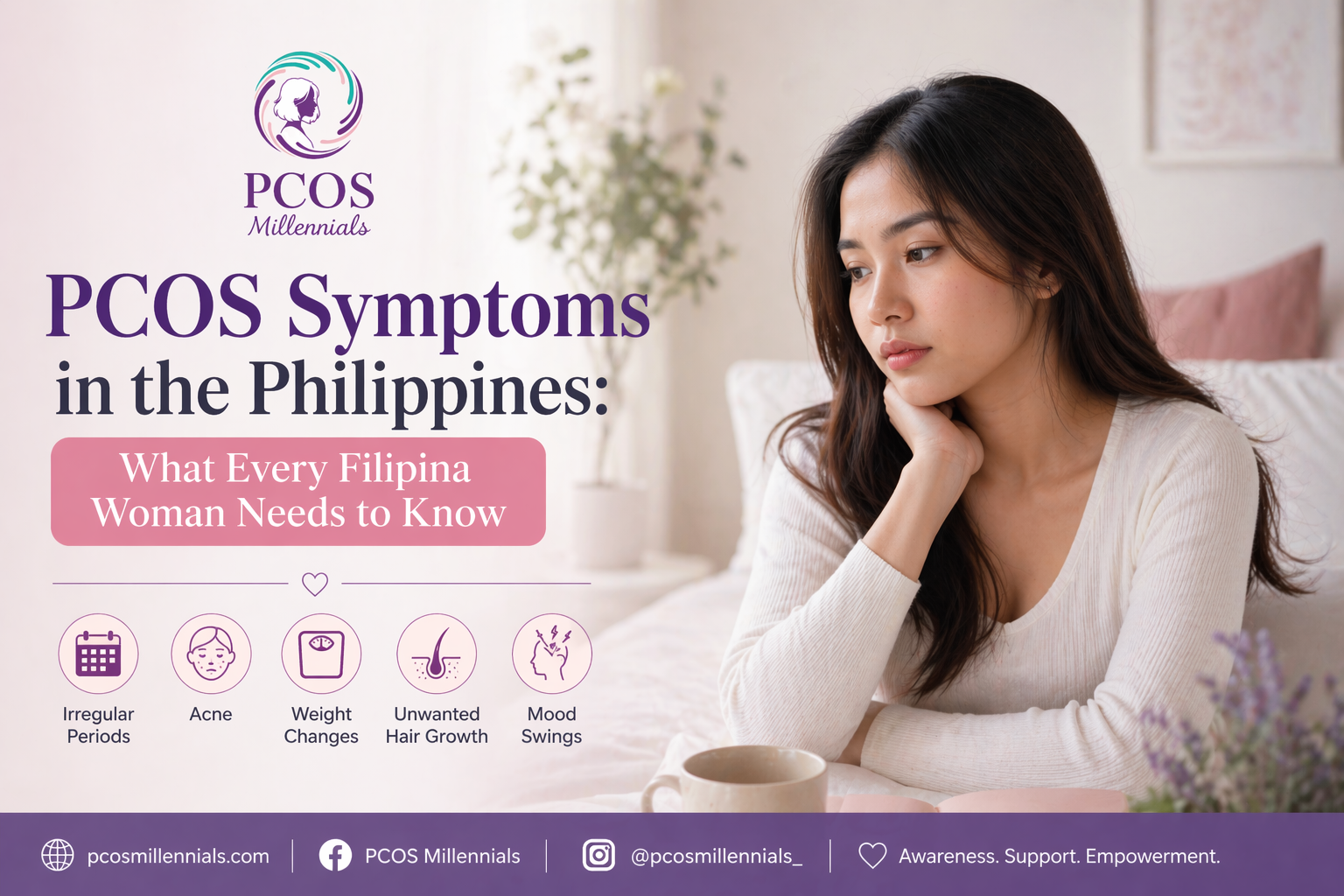
It may start with irregular periods. Then sudden weight gain. Persistent acne. Hair thinning. Fatigue. Difficulty losing weight despite trying. Excessive facial hair growth. Mood changes.
Anxiety or emotional exhaustion that becomes difficult to explain to other people.
But because these symptoms often develop gradually, many women normalize them for years. Some are told they are simply “lazy” when they struggle with weight changes caused by insulin resistance. Others are told their painful or irregular periods are “normal.”
Some women even feel dismissed during medical consultations.
And sadly, many women only discover they have PCOS after years of confusion. This is one reason why menstrual health awareness matters so much.
Because awareness can encourage women to seek answers earlier instead of silently suffering for years.
The Emotional Burden Behind Hormonal Imbalance
One of the most overlooked realities about hormonal imbalance is the emotional impact it can create.
Many people only focus on physical symptoms while forgetting how deeply these conditions can affect emotional well-being. Some women quietly struggle with body insecurities caused by hormonal changes. Others carry anxiety about infertility long before they are emotionally ready to discuss motherhood.
Some feel frustrated because they constantly feel misunderstood.
Others become emotionally drained from years of searching for answers. Many women also feel isolated because hormonal conditions are often invisible to other people.
Someone may look “fine” externally while internally battling exhaustion, emotional burnout, painful symptoms, or overwhelming insecurity.
This is why menstrual health conversations should also include mental health and emotional wellness. Because women’s health is never purely physical.
Hormonal health and emotional health are deeply connected.

Why This Conversation Matters So Much in the Philippines
In the Philippines, menstrual health conversations are still surrounded by stigma in many environments.
Some women still feel embarrassed buying sanitary pads publicly. Others feel uncomfortable discussing reproductive symptoms openly. Many young girls grow up without complete education about hormonal health.
And unfortunately, misinformation surrounding PCOS and hormonal imbalance remains very common online.
This creates a dangerous situation where many women normalize symptoms that should already be medically evaluated. Some women spend years without understanding why their cycles are irregular. Others continue silently struggling because they fear sounding “dramatic.”
And many Filipinas still lack access to affordable reproductive healthcare, hormonal screenings, and proper education about menstrual wellness.
That is why awareness campaigns matter. Not because women suddenly became “too sensitive.”
But because many women were previously taught to stay silent for too long.
The Problem With Normalizing Suffering
One dangerous mindset many women grow up hearing is the idea that suffering is simply part of womanhood.
But while discomfort during menstruation can happen, persistent symptoms that affect daily life should not automatically be ignored. Severe irregularity.
Debilitating pain. Extreme fatigue. Emotional exhaustion. Heavy bleeding. Months without menstruation. Rapid unexplained weight gain. Persistent hormonal acne.
These are not always things women should silently tolerate forever without seeking help.
Menstrual health awareness is not about creating fear. It is about helping women recognize when their bodies may already be asking for attention.
Because sometimes the body whispers before it starts screaming.

Awareness Can Save Women From Years of Confusion
One of the most powerful things awareness campaigns can do is encourage earlier conversations.
Sometimes awareness helps women finally realize:
“Maybe what I’m experiencing deserves medical attention too.” Sometimes awareness gives women courage to seek consultations earlier.
Sometimes awareness helps women stop blaming themselves for symptoms connected to hormones.
And sometimes awareness simply reminds women that they are not weak, dramatic, or “too emotional” for wanting answers about their own bodies.
That matters more than people realize.
Menstrual Health Awareness Should Include Compassion Too
As conversations surrounding hormonal health continue to grow, one important thing should never be forgotten:
Women need compassion, not shame. Women dealing with hormonal imbalance are already navigating enough internally. They do not need mockery.
They do not need people minimizing their symptoms.
They do not need to feel embarrassed for asking questions about reproductive health. They need support.
Education. Accessible healthcare. Safe conversations. And environments where they feel heard instead of dismissed.
Menstrual Health Awareness Month is more than just a social media trend.
It is part of a larger global movement encouraging women to speak more openly about menstrual wellness, hormonal imbalance, reproductive health, and conditions like PCOS that affect millions of women worldwide. Organizations like The Fibroid Foundation and campaigns like Menstrual Hygiene Day continue helping push these conversations into public awareness.
And honestly, these conversations are long overdue.
Because too many women spent years believing their symptoms were simply “normal.” Too many women silently carried hormonal struggles alone. Too many women felt ashamed to ask questions about their own bodies.
And too many women were taught to minimize pain that deserved attention.
Perhaps that is why menstrual health awareness matters more than ever today. Not because women suddenly became weaker. But because women are finally becoming brave enough to speak about things they were once told to hide.
And for many women silently struggling with irregular periods, hormonal imbalance, emotional exhaustion, or PCOS or PMOS right now, that conversation may become the very thing that finally helps them realize:
They were never alone after all.
Free January–December 2026 Devotional eBook from PCOS Millennials

Free eBook for Every Millennial Woman with PCOS: Your Ultimate Guide to Thriving with Hormonal Imbalance



Leave a Reply