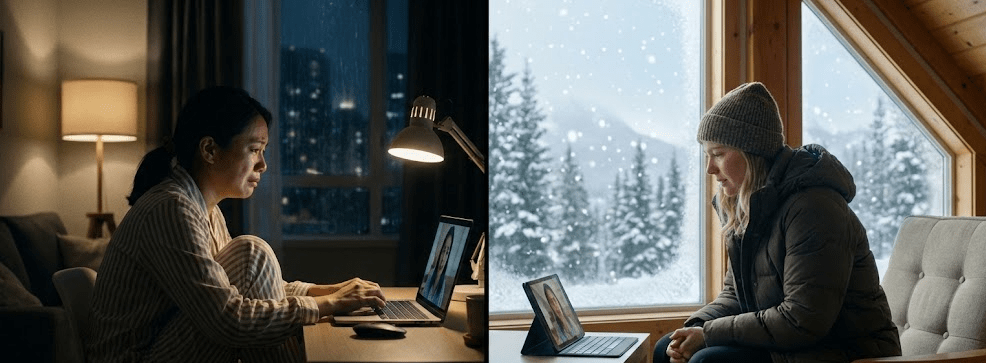
It was past 12 a.m. here in the Philippines when I logged into our platform.
I was in my pajamas, fighting antok.
On the other side of the world, in Western Canada, it was 9 a.m.
Winter had just arrived there two days ago.
Two women.
Two time zones.
Two very different seasons.
But the same silent battle: PCOS.
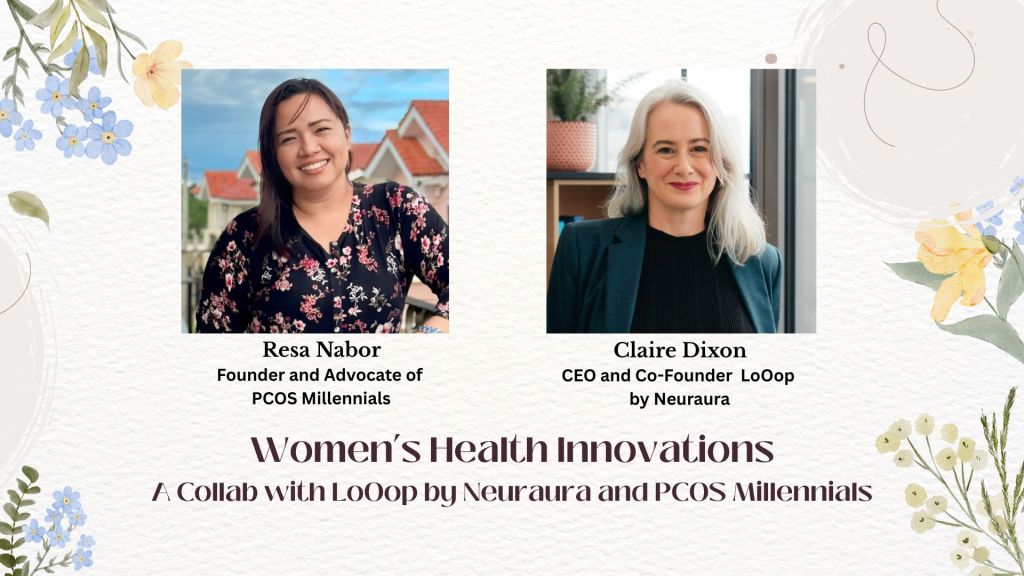
That night (or morning, depende kung nasaan ka), I sat down with Claire Dixon — CEO and founder of Neuraura, the company behind LoOop, a new women’s health innovation that uses neuroscience to support women with PCOS.
This blog is the story of that conversation.
Real talk. Real struggle. Real hope.
Especially for Filipinas like us who feel stuck with the same “pills lang po” answer every time we ask for help.
You don’t look like someone who has PCOS.
When Claire started sharing her story, I felt every word.
She didn’t find out about PCOS early. There was no dramatic diagnosis scene. Instead, it was years and years of “something is wrong, but no one can tell me why.”
She got her first migraine at eight years old.
At that age, no one talked about hormones.
No one said: “Hey, baka may connection ’yan sa reproductive health mo.”
Then came almost a decade of fertility struggles:
- Trying to conceive
- Recurrent pregnancy loss
- Finally having a son (whom she’s so grateful for)
- Preterm birth and NICU days
- Screening for gestational diabetes
- Postpartum depression
Kung iisipin mo ngayon, parang checklist siya ng PCOS-related risks. But during all those years, not once did a doctor say the word PCOS.
When she finally asked why no one ever brought it up, the answer was painfully familiar:
“Your BMI is not over 35, and you don’t have severe facial hair. So why would we talk about PCOS?”
When she said that, my heart automatically whispered:
“Here we go again.”
Because how many of us have heard some version of this?
“Hindi ka naman mukhang may PCOS.”
“Payat ka, so okay ka.”
“Wala ka namang balbas, so normal yan.”
As if PCOS has one face.
As if it only belongs to one body type.
The Diagnostic Gap: When You Don’t “Look Sick”
Claire shared that there’s at least a 7% diagnostic gap for PCOS. That means many women around the world are living with PCOS symptoms and complications… but they’re never told they have PCOS.
They just live with:
- Irregular periods or almost no periods
- Heavy bleeding
- Mood swings
- Fertility challenges
- Metabolic issues like high cholesterol or high blood sugar
…and they’re told:
“Lose weight lang.”
“Normal lang yan.”
“Take this pill and come back when you want to get pregnant.”
Hearing her story, I realized how similar our experiences are, kahit magkalayo kami ng bansa.
Here in the Philippines, most of us don’t even get the chance to reflect on where it all began. We’re too busy surviving:
- Work
- Family expectations
- Bills
- Traditional beliefs about “being a woman”
You go from doctor to doctor, diagnostic test to diagnostic test, and still end up feeling like the problem is you.
My Own “Here’s a Pill, Good Luck” Moment
When I was first diagnosed with PCOS, I expected guidance.
I expected someone to sit me down and say:
“Okay, Reese, this is what’s happening inside your body. Ito ang next steps natin.”
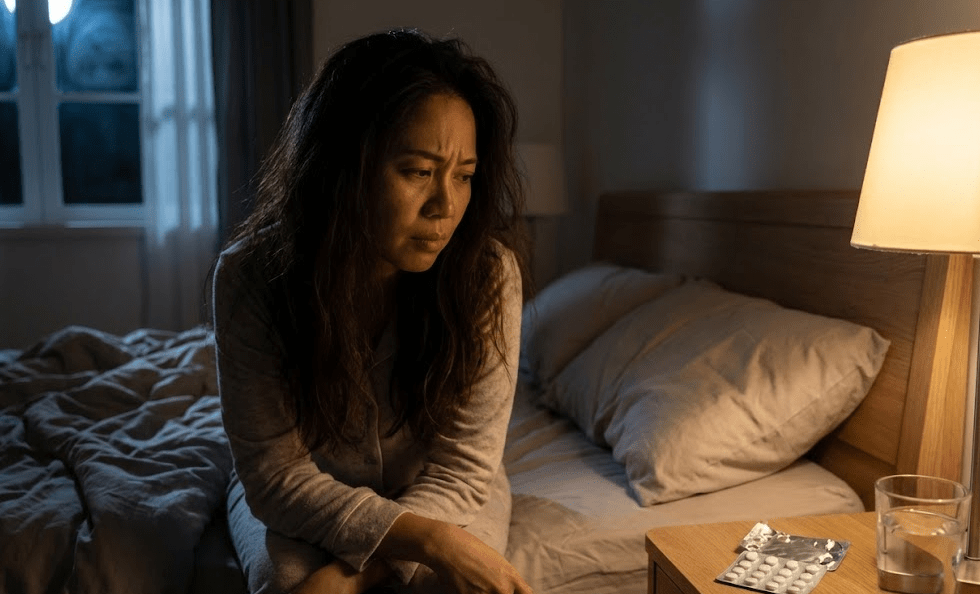
Instead, my OB handed me a contraceptive pill.
No explanation.
No plan.
No “let’s talk about your fertility goals.”
As a married woman hoping to have a baby, holding that pill felt like holding a door that was quietly closing.
I remember staring at it thinking:
“So… paano ‘to makakatulong if we actually want a child?”
And that’s the frustration so many of us know too well.
In many clinics here in the Philippines, the approach to PCOS often looks like this:
- Mask the symptoms with hormonal pills.
- Tell you to lose weight without explaining the role of insulin resistance or hormones.
- Say: “Come back when you want to get pregnant.”
But what about the years in between?
What about our mental health, our everyday energy, our quality of life?
Canada and the Philippines: Different Systems, Same Dismissal
You might think: “Siguro mas okay sa Canada, ang ganda ng healthcare nila.”
Claire was very honest. Yes, they are lucky in many ways. But when it comes to PCOS and women’s health, there are still systemic problems — the kind we also see here in the Philippines:
- Symptoms are dismissed or downplayed.
- Heavy bleeding, pain, or irregular periods are treated as normal instead of investigated.
- Women are told things like, “How do you know that’s heavy?” even if they’ve been menstruating for decades.
The overlap of symptoms doesn’t help either. Heavy bleeding could be:
- PCOS
- Endometriosis
- Fibroids
- Or something else
But here’s the key:
All of these can be diagnosed if they are taken seriously.
Claire said something that stayed with me:
“Effectively, the problem gets put back on you, as an individual.”
You’re made to feel like:
- Maybe you’re exaggerating.
- Maybe you’re too emotional.
- Maybe you’re just “tumaba kasi madami kang kain.”
And if you’re a Filipina living in Metro Manila, Cebu, Davao, or even in smaller provinces where specialists are rare and mahal, the burden feels even heavier.
Changing the Conversation: From Burden to Tools
One thing I loved about what Claire shared is how LoOop isn’t just about a fancy device. It’s about changing the power dynamic between women and the healthcare system.
They built tools that help women:
- Track symptoms using clinically validated scales
- Journal what’s happening in their bodies
- Download reports they can show their doctors
- Use language that doctors recognize from their training
Para hindi lang tayo pumapasok sa clinic na may kwento, pero walang “data.”
Instead of:
“Doc, feeling ko grabe yung pagdurugo ko.”
You can now say something closer to:
“Doc, I’m bleeding through a pad in less than an hour, and I’ve had to wake up at night to change.”
That’s not just kwento — that’s clinical information.
And inside their app, they don’t just give feel-good summaries. They also provide deep-dive articles using medical terms, explained in a way that a non-doctor can understand. Parang translator between you and your healthcare provider.
For women with PCOS in the Philippines — where appointments are short, follow-ups are mahal, and not everyone is heard — that kind of tool can be life-changing.
What Gap Did LoOop See in PCOS Care?
Let’s be honest. PCOS care hasn’t really changed much in the last 60–70 years.
A lot of us still get:
- Contraceptive pills
- Metformin
- General advice like “eat less, move more”
That’s it.
LoOop and Neuraura looked at the research and asked: Can we do something more?
They found the work of Dr. Stener-Victorin, a globally respected PCOS researcher from Sweden. For decades, she’s been studying a specific kind of electrical stimulation that can help improve both metabolic and hormonal symptoms of PCOS.
In her research, the stimulation:
- Helps lower blood glucose
- Supports more regular menstrual cycles
- Improves markers tied to fertility
But there was a catch:
It was delivered through acupuncture needles, several times a week.
Imagine trying to go for acupuncture three times a week here in Manila:
- Time-consuming
- Expensive
- Not realistic for most Filipinas
So Neuraura asked: What if we bring this concept home?
How LoOop Works (In Simple Terms)
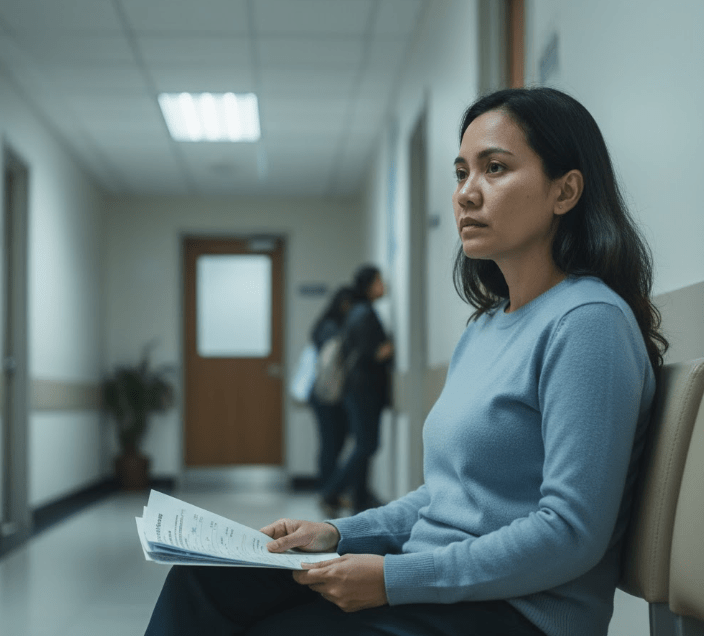
LoOop is a hardware medical device — think of it as a carefully designed neuromodulation tool you can use at home, guided by science.
Here’s the simple version:
- PCOS affects the HPO axis — the connection between your hypothalamus, pituitary gland, and ovaries.
- When this system doesn’t work properly, the ovaries may produce too many androgens (male hormones), leading to many PCOS symptoms.
- LoOop uses electrical stimulation on specific muscles to influence how the body handles glucose and hormones.
Short-term effects (within minutes):
- Increased blood flow to the muscle where the device is attached
- Lower circulating glucose levels — parang you’re exercising that muscle
Longer-term effects (over weeks of consistent use):
- A shift in baseline metabolism
- Improved menstrual regularity
- Better overall hormonal balance
In animal models, the same stimulation has even shown increased blood flow to the ovaries — a positive sign for fertility.
Now let me be clear:
LoOop is not a cure for PCOS.
But in a condition that is cumulative — where a little weight gain can worsen androgen excess, and everything snowballs — even a tool that helps to slow down or reverse that chain reaction can change a woman’s life.
Instead of:
“Wala, ganyan ka na talaga. Lifetime na ’yan.”
We finally hear:
“There might be another way to manage this — rooted in science, not just blame.”

Beyond the Device: Whole-Person, Science-Backed Support
What made me more excited is that LoOop is not just a device sitting in a box.
It’s surrounded by a digital platform designed for real women with real lives:
- Symptom journaling that doesn’t assume you have “perfect” cycles
- Clinically validated questionnaires
- Qualitative notes so you can describe how you actually feel
- Tools to track medications, supplements, and lifestyle changes
Right now, most PCOS guidelines feel like they were written for “everyone” — not specifically for women with hormone and metabolic challenges.
We often hear the same generic advice:
- “Drink more water.”
- “Eat less sugar.”
- “Exercise three times a week.”
Pero kung may PCOS ka, alam mo:
It’s not that simple.
LoOop wants to move toward a world where, someday, they can say things like:
“For women with your phenotype, people report that Diet X or Lifestyle Y works particularly well.”
So instead of trying 17 different diets, spending money you don’t really have, and blaming yourself when nothing works, we could finally have:
- More personalized recommendations
- Less trial and error
- Less emotional burnout
For me, as a Filipina with PCOS, just hearing that people are working on something like this gives so much hope.
But What About Filipinas? Will This Ever Reach Us?
This was one of my biggest questions for Claire.
Because yes, innovations are great — pero kung hanggang brochure lang sila sa global North, anong silbi sa atin dito sa Pilipinas?
Claire shared that:
- Their app is intentionally being built as a consumer app, not something you can only access through a fancy hospital.
- It will launch in English first, then expand into other languages based on demand.
- For new markets like the Philippines, they don’t want to just “drop” a product in and leave. They want local partners who understand:
- Regulatory requirements
- Cultural barriers
- Affordability and access
They’re already working with a partner in India, and they’re very open to exploring partnerships that could help them navigate the Philippine market.
As she said this, my heart was quietly saying:
“Lord, sana kasama kami diyan.”
Because here in the Philippines, access is a huge issue:
- Many women can’t even afford to see a specialist.
- Hormone tests are expensive and not always covered.
- PCOS is still “taboo” in many families and churches.
So to hear a global CEO say she’s thinking about accessibility, pricing, and local context — hindi lang profit — that matters a lot.

The Hard Road of Building a Women’s Health Company
Let’s be honest: women’s health is still an underfunded, under-researched space.
Claire mentioned that even though the opportunity is huge (so many women are affected), funding is still hard to get.
On top of that:
- Only about a third of people she talks to have even heard of PCOS.
- PCOS is multifactorial — it affects risk for diabetes, cardiovascular disease, dementia, and some cancers.
- It doesn’t fit neatly into one box, so it’s easy for systems to ignore.
But instead of seeing those as brick walls, she calls them hurdles.
They’re building awareness not just in PCOS communities, but also in spaces like:
- Diabetes advocacy
- Dementia research
- Women’s cardiometabolic health
Because if the system starts to understand how big PCOS really is, care can improve not just in OB clinics — but across the whole healthcare system.
And honestly, that’s something we also need in the Philippines.
“We See You”: A Message to Women With PCOS
Toward the end of our conversation, I asked Claire:
“If there’s one message you’d like to share with women who feel hopeless or unseen because of PCOS — whether in your country or mine — what would it be?”
Her answer was simple but powerful:
“We see you.”
She knows she can’t give all the solutions today.
The device is still going through clinical studies and regulatory processes like FDA clearance.
The app is still evolving, still gathering user feedback.
But they are out there:
- Raising awareness
- Having hundreds of one-on-one conversations
- Building tools grounded in lived experience
And most importantly, they are listening.
Inside their app, user feedback isn’t an afterthought. It’s baked into the onboarding, the surveys, the product roadmap.
Because at the end of the day, this is not just about technology.
It’s about reducing the burden even by 5%, 10%, 50% in the future — whatever is possible.
Why This Conversation Matters for Filipinas
As we wrapped up, I realized something:
This isn’t just a story about one device or one company.
It’s a glimpse of:
- What’s possible when science has a heart
- What happens when women refuse to accept “mask the symptoms” as the only option
- How advocacy, innovation, and community can work together
Here in the Philippines, PCOS is still misunderstood.
We still hear:
- “Mag-diet ka lang.”
- “Magkaanak ka para gumaling yan.”
- “Hay naku, ganyan talaga sa lahi natin.”
But conversations like this — between a Filipina in pajamas at midnight and a CEO in winter Canada at 9 a.m. — show that we’re not alone.
Somewhere in Western Canada, a woman with migraines at eight years old turned her pain into a platform that may one day help a Filipina in Quezon City, Iloilo, or General Santos who’s quietly crying after another “normal lang yan” consultation.
And here in the Philippines, communities like PCOS Millennials are doing our part:
- Sharing real stories
- Calling out harmful stereotypes
- Creating safe spaces for Gen Y and Gen Z warriors
- Partnering with innovators like LoOop and Neuraura
Para hindi ka na mag-Google mag-isa at 2 a.m., asking,
“What’s wrong with me?”
How You Can Be Part of This Movement
If you’re reading this and you have PCOS — or you love someone who does — here are a few simple ways you can join the journey:
1. Stay connected with the PCOS Millennials community
Follow PCOS Millennials on:
And visit www.pcosmillennials.com for:
- Free resources
- Blogs
- Podcasts
- Updates about advocacy and upcoming events
2. Watch out for LoOop by Neuraura
Claire and her team are rolling out their app globally, starting in English.
They’re also offering a special deal for the first wave of users because they truly value feedback from real women.
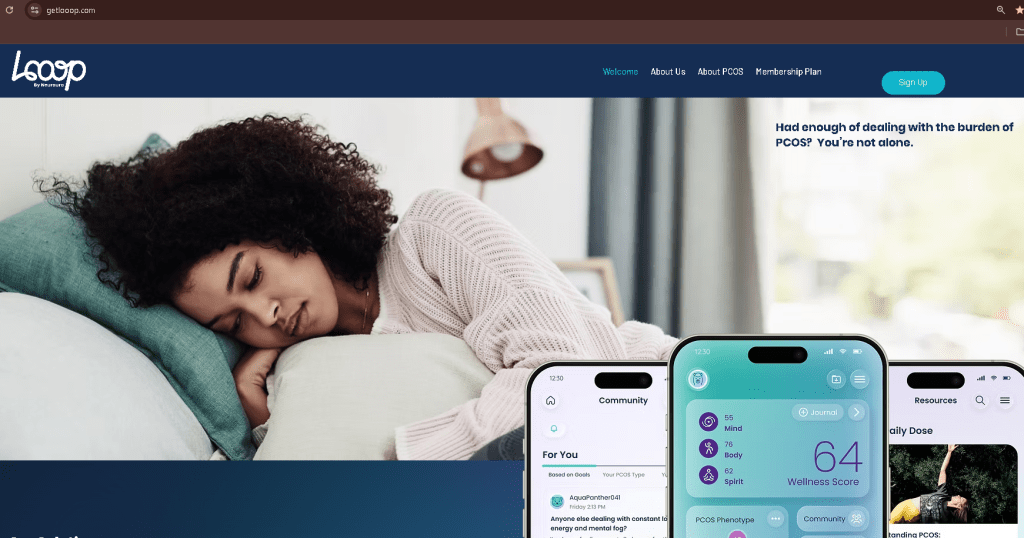
Their site: https://www.getlooop.com/ (LoOop is the product brand under Neuraura).
If you get the chance to try it in the future, remember: your feedback doesn’t just help you — it helps shape better care for women worldwide, including future Filipinas who will walk this same road.
3. Share your story
Whether sa diary mo lang, sa close friends, or publicly online:
Your story matters.
PCOS thrives in silence and shame.
Healing grows in honesty and community.
A Love Letter to Every Woman Reading This
If you’ve ever:
- Felt dismissed in a doctor’s clinic
- Googled your symptoms in the middle of the night
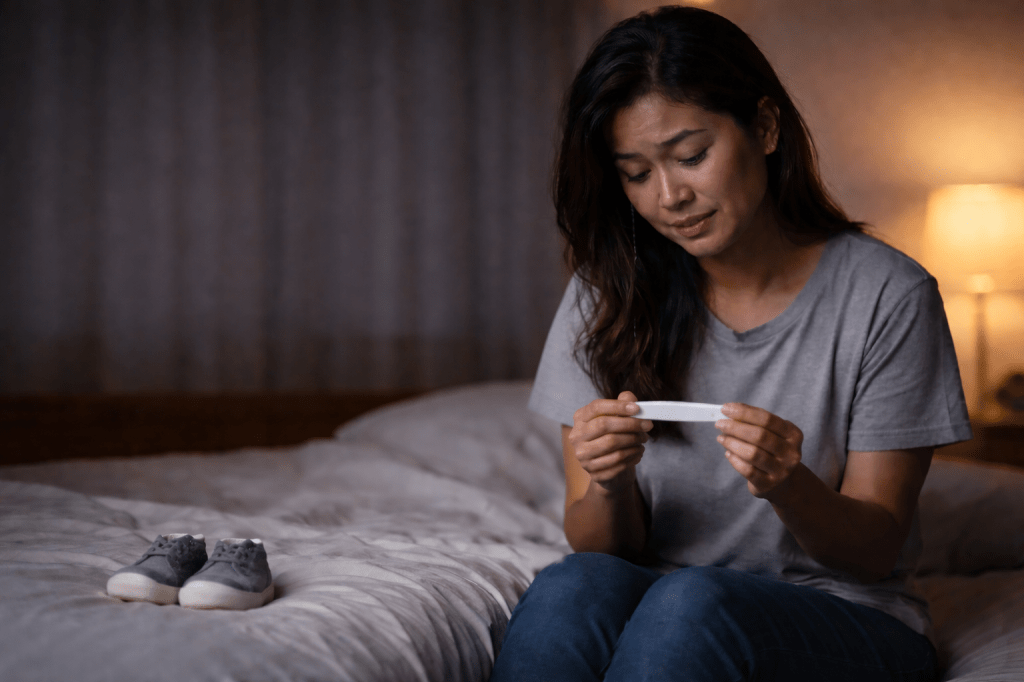
- Cried over another negative pregnancy test
- Questioned your worth because of your weight, your acne, your irregular periods
Please hear this:
You are not the problem.
You are not “lazy.”
You are not “OA.”
You are not “less of a woman” because your body doesn’t follow a textbook.
Your hormones are not a moral failure.
Your struggle is not imagined.
Women like Claire are working in laboratories, research centers, and startup offices to build better options.
Women like me are here, on this side of the world, turning tears into blogs and podcasts so that no Filipina with PCOS has to feel crazy, alone, or invisible again.
Healing looks different for everyone — and that’s okay.
What matters is that we keep going.
Together.
If this story spoke to you, please share it with a friend, a sister, a church mate, or a workmate who might be silently struggling.
Let’s make our voices louder — until PCOS is no longer a taboo, misdiagnosed, or brushed aside, but something the world takes seriously, with compassion and science walking hand in hand.
Love,
Reese ❤️
Free eBook for Every Millennial Woman with PCOS: Your Ultimate Guide to Thriving with Hormonal Imbalance




Leave a comment