There’s a kind of pain many women know but rarely speak about —
the pain of being misunderstood by people who only see what’s outside.
For women living with Polycystic Ovary Syndrome (PCOS), one comment can pierce deeper than expected:
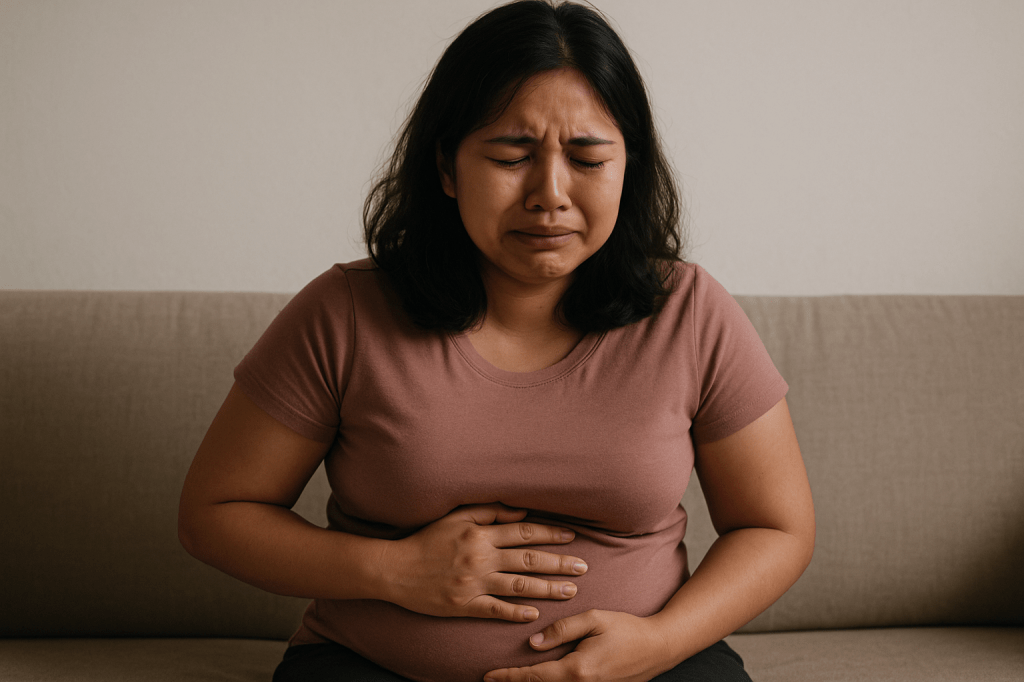
“Uy, buntis ka na ba?”
You smile politely, maybe laugh a little.
But inside, something breaks.
Because you’re not pregnant.
You’re just bloated. Again.
And that bloating isn’t caused by overeating — it’s your body’s way of saying, “I’m struggling.”
What Is PCOS Bloat?
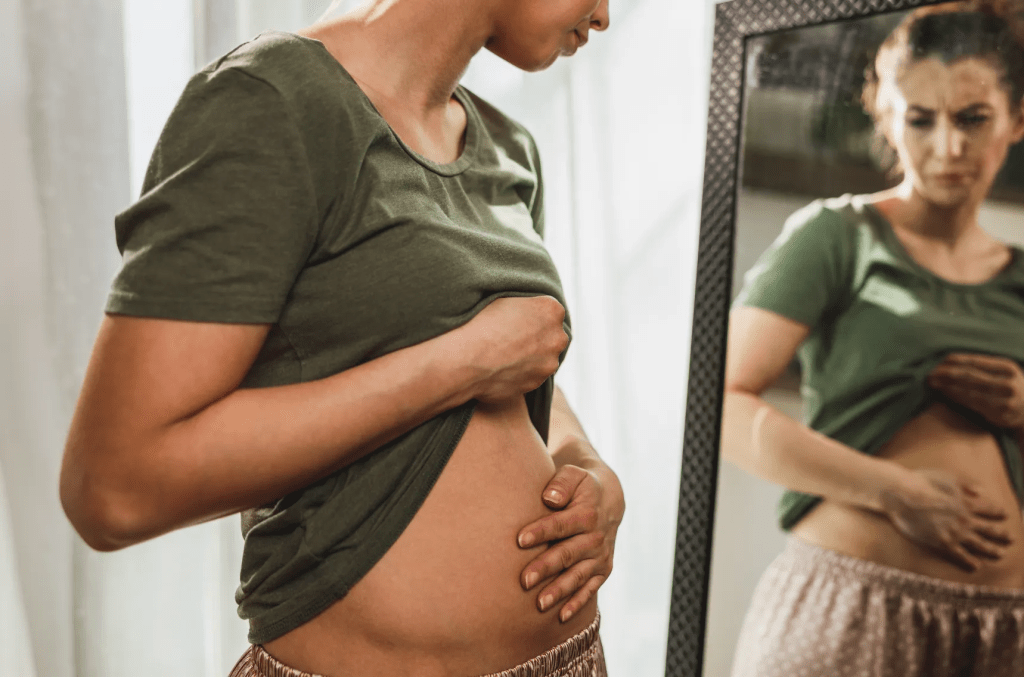
PCOS bloat is one of the most visible and distressing symptoms of the condition.
It’s caused by a combination of hormonal imbalance, insulin resistance, and chronic inflammation — all of which affect how your body digests food and stores water.
Unlike ordinary bloating, PCOS bloat can:
- Last for days or even weeks.
- Cause severe discomfort and swelling.
- Affect clothing fit and posture.
- Damage confidence and mental health.
You might wake up feeling okay, but by midday, your belly feels heavy and tight.
By evening, you look in the mirror and barely recognize yourself.
It’s unpredictable. It’s frustrating. And for many, it’s heartbreaking.
The Emotional Weight Behind PCOS Bloat
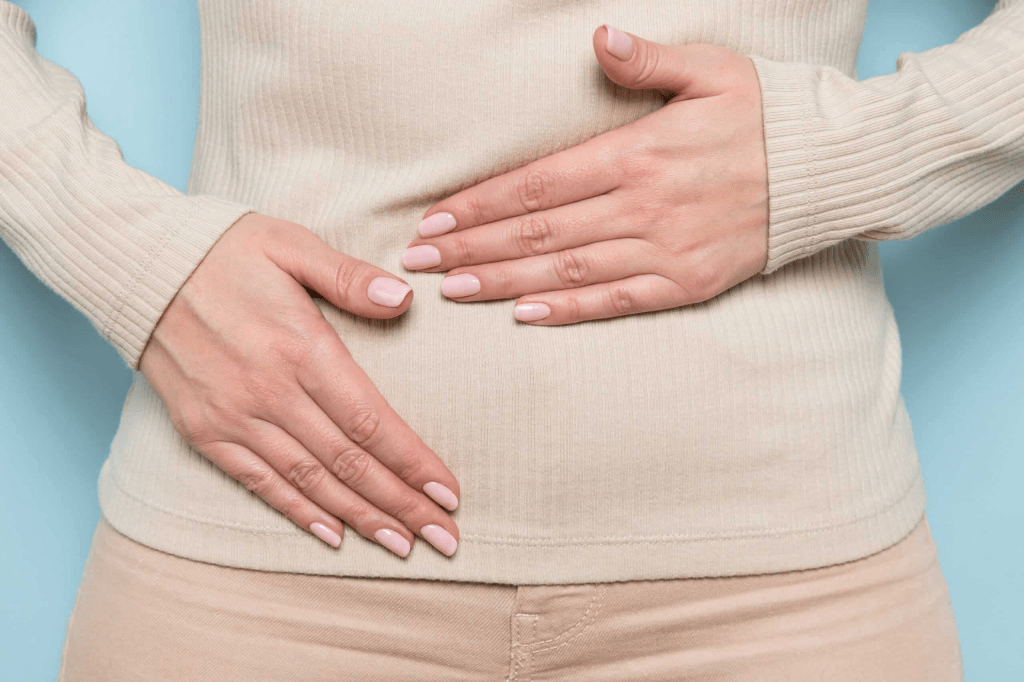
Let’s be honest — it’s not just your belly that feels heavy.
It’s the emotional weight that comes with it.
Every woman with PCOS has heard at least one of these lines:
- “Mag-diet ka kasi.”
- “Kailan ka manganganak?”
- “Tumataba ka na.”
They might not mean harm, but their words linger long after they’re gone.
You force a smile, nod, and pretend it doesn’t hurt — but when you’re alone, you hold your stomach and wonder, “Why does my body always betray me?”
For many of us, bloating feels like carrying invisible grief — not for how we look, but for how we’re misunderstood.
When You Look Pregnant, But You’re Not
There’s a cruel irony in PCOS:
sometimes you look pregnant when you can’t get pregnant.
That’s what makes those “Uy, buntis ka?” moments sting.
They touch something raw — the hope, the longing, the quiet pain of infertility that so many Filipinas carry in silence.
PCOS doesn’t just affect fertility.
It changes our relationship with our bodies.
We hide behind oversized clothes, avoid cameras, cancel plans, and retreat from the world.
We start believing that beauty and worth are measured by a flat stomach — but they’re not.
Because behind every woman with PCOS is a story of resilience:
a body that keeps fighting even when it’s tired,
a heart that keeps hoping even when it’s hurting.
The Science of PCOS Bloat (and Why It’s Not Your Fault)
Understanding what’s happening inside your body can bring relief — or at least, compassion.
Here’s what’s really going on:
- Insulin Resistance: PCOS makes it harder for the body to use insulin properly, which can lead to water retention and weight gain, especially around the belly.
- Hormonal Imbalance: High androgen levels disrupt normal digestion and metabolism.
- Inflammation: Chronic inflammation can cause the gut to become more sensitive, leading to gas and swelling.
- Stress & Cortisol: High stress hormones worsen bloating and digestive issues.
So when someone says, “Mag-diet ka lang,” they’re missing the point.
This isn’t about self-control — it’s about self-compassion.
Your body is doing its best.
And you deserve to understand, not blame, yourself.
Stories from the Silent Sisterhood
Every woman with PCOS carries her own version of this story.
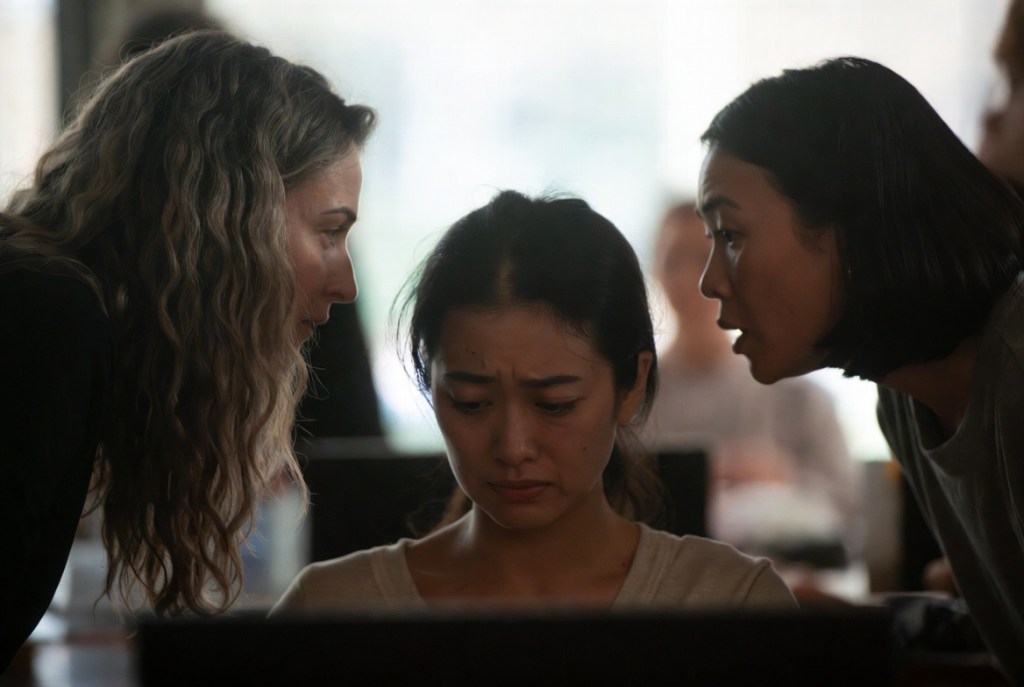
One was congratulated at work for being pregnant — when she wasn’t.
Another skipped a wedding because she didn’t want anyone to comment on her tummy.
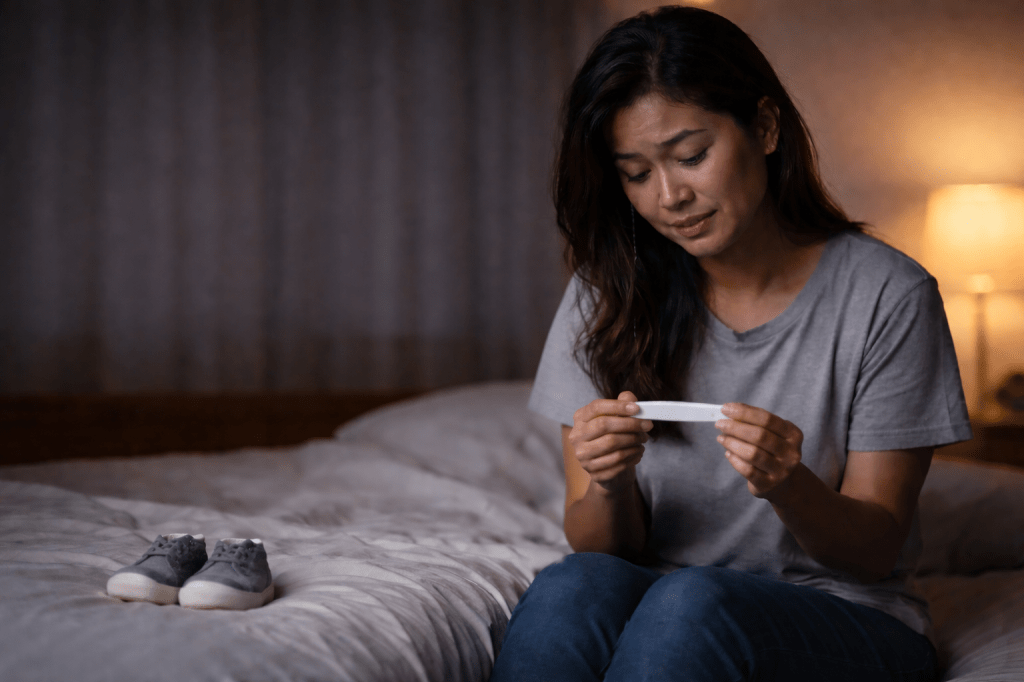
Another looked at her reflection one night and whispered, “I miss the body I used to have.”
Different women. Same pain.
A silent sisterhood bound by hormones, heartbreak, and hope.
And yet — we rise.
Every day, we get up. We show up. We smile again.
Because even when we feel fragile, we are still powerful.

Learning to Heal (Physically and Emotionally)
There’s no single cure for PCOS, but there are ways to soothe both the bloat and the burden it brings.
1. Be Kind to Your Body
Stop seeing your belly as a flaw. It’s not the enemy — it’s a reflection of everything you’re surviving.
2. Manage Stress
Stress directly affects cortisol, and cortisol worsens bloating. Try slow walks, journaling, or faith-based meditation.
3. Focus on Gut Health
Eat whole foods, hydrate, and avoid extremes. Healing isn’t about restriction; it’s about nourishment.
4. Build a Support System
Surround yourself with people who understand. If you don’t have one yet — you do now. Welcome to PCOS Millennials.
Join Our Community: You’re Not Alone
At PCOS Millennials, we believe in turning pain into purpose.
Our mission is to create a safe, empowering space for Filipinas and women around the world living with PCOS.
Follow us on Instagram, YouTube, TikTok, LinkedIn, Threads, Facebook, X (Twitter), Spotify, or visit pcosmillennials.com for stories, tips, and support.
Here, we talk about the things no one else does — like PCOS bloat, infertility, faith, body image, and healing — with honesty and heart.
Because maybe we can’t stop the bloating overnight,
but we can stop suffering in silence.

To Every Woman Reading This
To the woman crying in front of the mirror —
To the woman wearing black to hide her belly —
To the woman smiling through the pain —
You are not alone.
You are not broken.
You are still beautiful, still worthy, still loved.
Your body is not your enemy.
It’s your ally — doing its best every single day.
So when someone says, “Uy, buntis ka na ba?”
Take a breath, and gently say,
“Hindi, pero I’m healing.”
And that, dear sister, is enough.

❤️ Join the Healing Movement
Let’s make conversations about PCOS normal, not shameful.
Let’s create awareness, empathy, and hope — for ourselves, for our daughters, for every woman who still feels unseen.
Follow @pcosmillennials on all platforms and subscribe to our newsletter on pcosmillennials.com.
Because your story matters. Your healing matters. You matter.
Love,
Reese ❤️
Free eBook for Every Millennial Woman with PCOS: Your Ultimate Guide to Thriving with Hormonal Imbalance




Leave a comment