(In collaboration with LoOoP by Neuraura)
“Maybe if I understood my body sooner, I would’ve healed earlier.”
Naalala ko pa noong unang beses sinabi ng dati kong OB, “You have PCOS.”
Parang bumagal lahat.
I thought I already knew what it meant — irregular periods, acne, weight gain, mood swings, hair loss — pero hindi pala ganun kasimple. As I learned more, I realized: PCOS is not just one thing. Hindi siya pare-pareho para sa lahat.
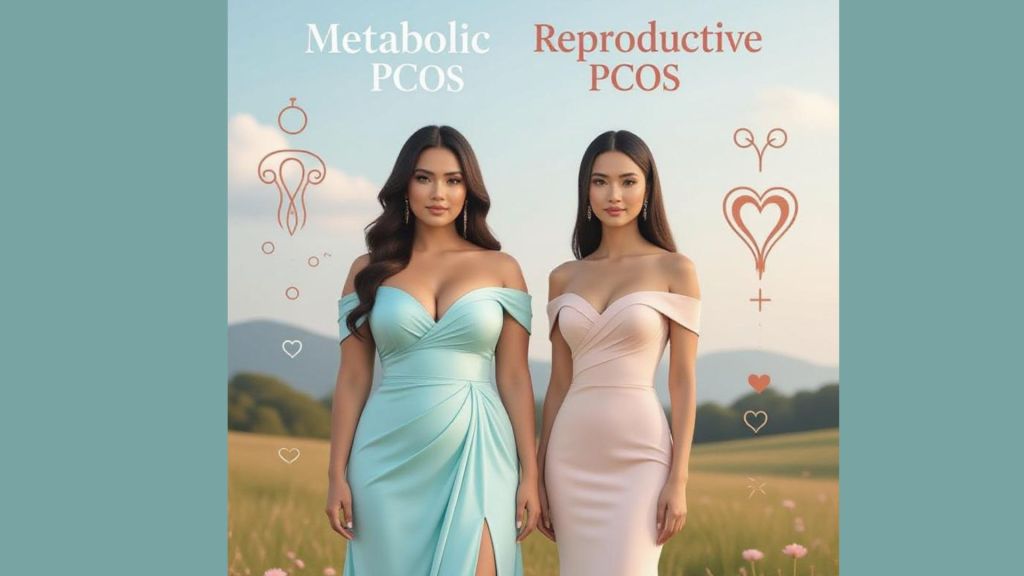
Some girls struggle with weight and blood sugar, others naman normal ang BMI pero hirap mag-regla o magbuntis. That’s when I discovered something eye-opening — the concept of Reproductive vs Metabolic PCOS.
At ngayon, gusto kong i-share sa’yo ito.
Especially since I’m currently collaborating with LoOoP by Neuraura, a platform that combines neuroscience and women’s health tech — to help us Filipinas understand our bodies better. 💙
Together, we hope to spread awareness and empower more women to understand what’s really happening inside their bodies — kasi knowledge is power, lalo na sa healing journey natin.

Understanding PCOS — A Quick Refresher
PCOS (Polycystic Ovary Syndrome) is a hormonal and metabolic condition that affects many women — but it doesn’t show up the same for everyone.
Some women experience metabolic symptoms like insulin resistance and weight gain, while others face reproductive issues like irregular periods and infertility.
There are three main types of PCOS:
- Metabolic type PCOS
- Reproductive type PCOS
- Mixed type (combination of both)
Knowing your type can literally change how you manage your symptoms. Kasi kung alam mo kung saan nanggagaling ang imbalance mo, mas madali mong mapapangalagaan ang katawan mo.

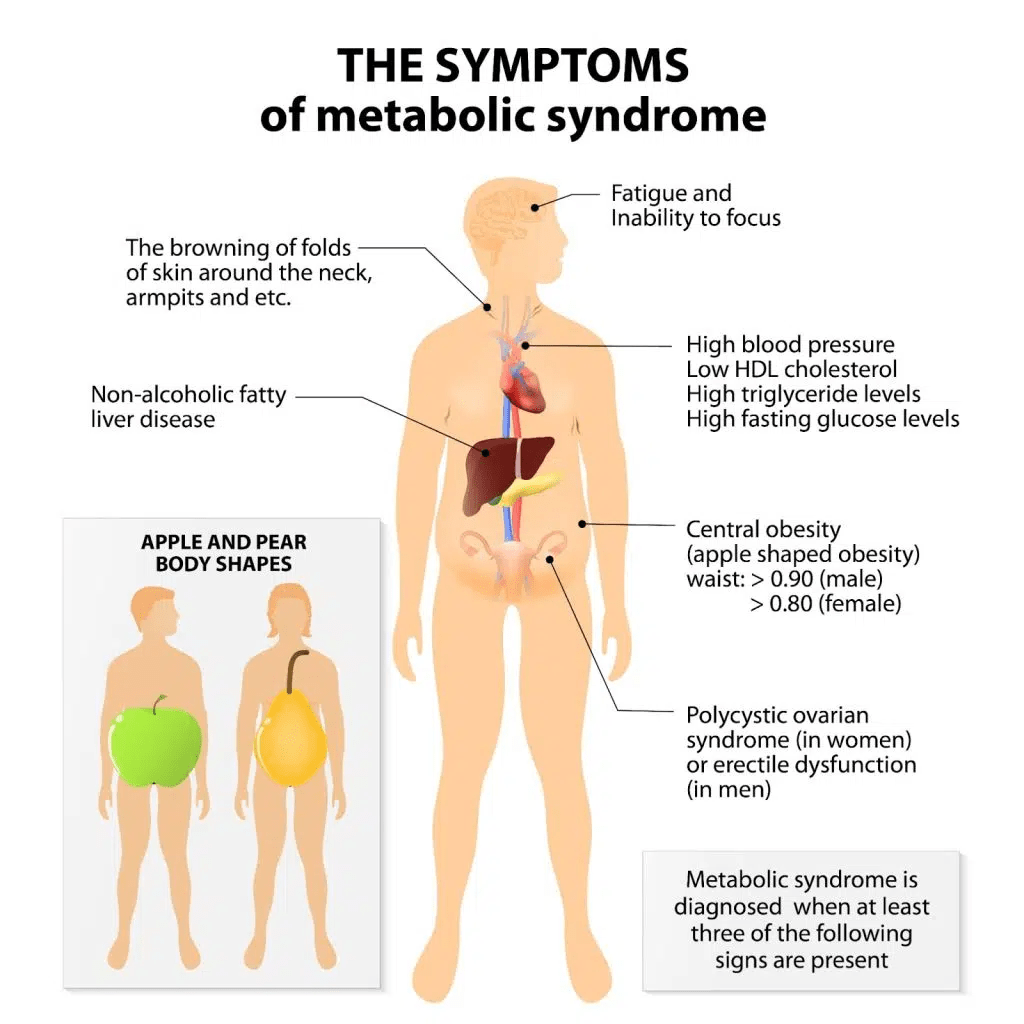
Metabolic PCOS: When Hormones and Metabolism Collide
Around 40% ng may PCOS belong to this type.
Ito ‘yung madalas na naririnig nating may kinalaman sa insulin resistance at weight struggles.
Kung nararanasan mo ito, baka ikaw ito:
- Madaling mag-gain ng weight, lalo na sa tummy area
- Laging pagod, kahit bagong kain
- May cravings for sweets or carbs
- Mataas ang blood sugar o cholesterol
- May acne, oily skin, or hair growth sa unwanted areas
Ang root cause?
Insulin resistance.
Ibig sabihin, hindi na masyadong nagre-respond ang cells mo sa insulin, kaya ang katawan mo naglalabas ng mas maraming insulin. The excess insulin then tells your ovaries to make more androgens — the male hormones — which causes all those frustrating symptoms.
Over time, this type of PCOS can lead to complications like diabetes, high blood pressure, and heart problems if not managed early.
🔎Signs of Metabolic PCOS
- Mataas ang fasting insulin (>25 mIU/L)
- Mataas ang glucose (>125 mg/dL)
- Mataas ang BMI
- Mababa ang SHBG (sex hormone-binding globulin)
- Mababa ang LH (luteinizing hormone)
- May signs ng androgen excess (acne, unwanted hair, hair loss)
Sa madaling salita, ito ‘yung type ng PCOS na may halong hormonal at metabolic imbalance — kaya dapat parehong binabantayan.
Reproductive PCOS: When It’s All About Hormonal Imbalance
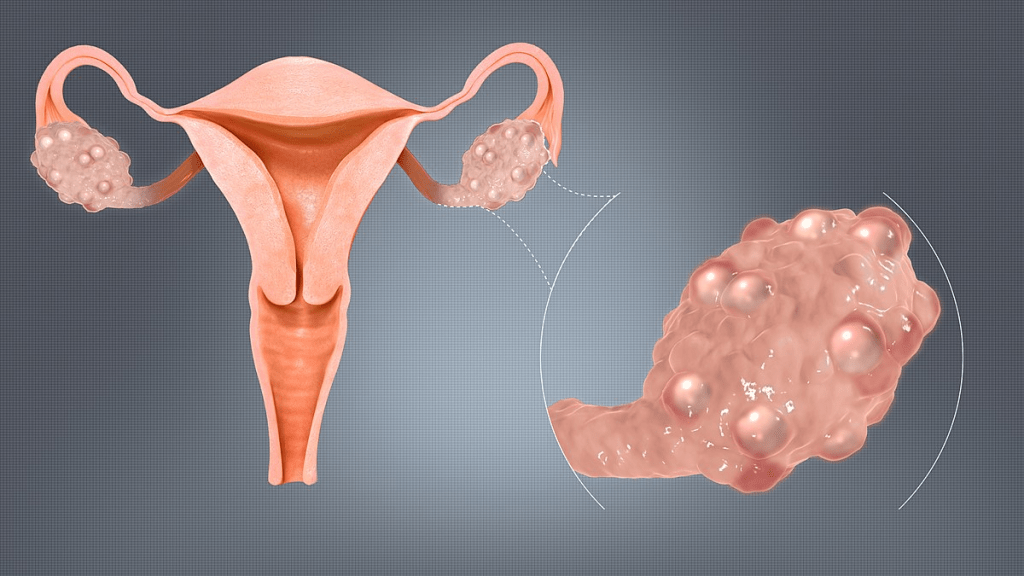
About 20% ng may PCOS belong to this group.
Usually, mga babaeng may normal weight or even slim, pero nahihirapan mag-regla or mag-ovulate.
Kung ikaw ‘to, baka nararanasan mo rin ang mga ito:
- Irregular or absent periods
- Difficulty conceiving
- Hormonal acne or hair loss
- High LH and SHBG levels
- Normal insulin levels
Dito, ang problema ay nasa reproductive hormones, hindi sa metabolism.
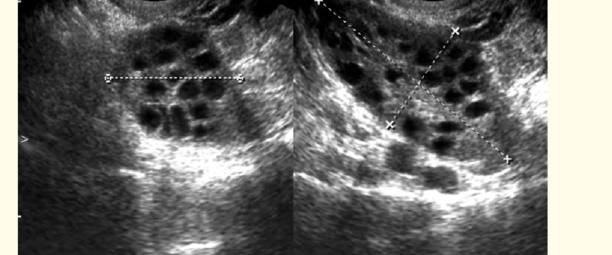
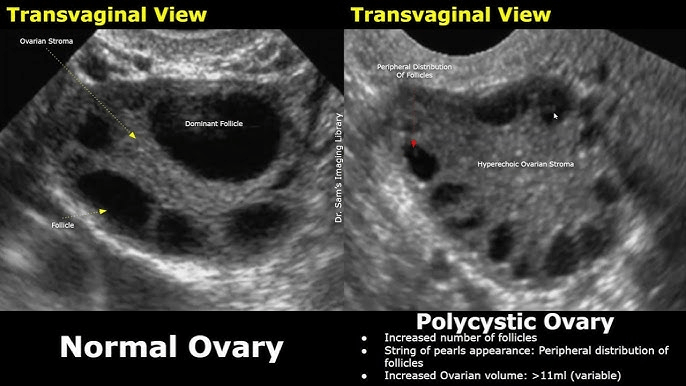
Your body produces too much LH, which affects ovulation and causes those tiny follicles (na mukhang cysts sa ultrasound).
At ito ‘yung madalas na silent struggle — kasi ang daming nagsasabi, “Eh payat ka naman, bakit may PCOS ka?”
Pero PCOS doesn’t care about body type. It’s a hormonal condition — and every woman’s experience is different.
Mixed Type PCOS: The “In-Between” Zone
For many of us, we don’t fit neatly into one category.
Minsan may symptoms ka ng both — slightly high insulin, irregular periods, hormonal acne, weight fluctuations.
That’s what we call Mixed Type PCOS — a combination of both reproductive and metabolic traits.
It also reminds us that PCOS isn’t static. Pwedeng magbago habang tumatanda ka, or depende sa lifestyle mo — stress, diet, sleep, even emotional health.
Kaya importante na makinig ka sa katawan mo. Don’t ignore what it’s trying to tell you.
Why Knowing Your Type Matters
Ang totoo, hindi lang ito tungkol sa pangalan ng diagnosis mo. It’s about understanding the root cause.
Kasi kung alam mo kung saan ka babanat — hormones ba or insulin? — you can finally stop guessing and start healing intentionally.
Here’s why it matters:
- Personalized treatment.
- Metabolic PCOS needs insulin-sensitive solutions (balanced diet, exercise, metformin, inositols).
- Reproductive PCOS focuses on hormonal regulation and ovulation support.
- Different risks, different focus.
- Metabolic type = higher risk for diabetes and hypertension.
- Reproductive type = higher risk for fertility issues.
- Better conversations with your doctor.
Alam mo na kung anong mga tanong ang dapat mong itanong, tulad ng:- “Doc, ano po ang phenotype ng PCOS ko?”
- “Pwede po bang i-check ang insulin at SHBG ko?”
- “Paano ko po maa-adjust ang diet and meds ko based sa type ko?”
- PCOS can change.
Life happens. Weight, stress, hormones — lahat ‘yan may epekto. Kaya kailangan ng regular check-ups and tracking.
My Collaboration with LoOoP by Neuraura
I’m so grateful to be working with LoOoP by Neuraura, a platform that brings science, technology, and compassion together for women’s health.
LoOoP helps women understand their cycles through neuroscience-based insights and real-time data.
It’s designed not just for information, but for empowerment.
Through my collaboration with LoOoP, our goal is simple:
To bring more awareness and education about PCOS to Filipinas.
To make sure that no woman feels lost, judged, or misinformed about her body ever again.
Because awareness is the first step toward healing — and healing starts when you finally understand you. 💙

What to Ask Your Doctor
Here are some helpful questions para mas guided ka sa check-up mo:
- “Doc, metabolic type or reproductive type po ba ako?”
- “Anong tests ang kailangan para makumpirma (glucose, insulin, LH, SHBG, etc.)?”
- “Pwedeng magbago ang type over time?”
- “Ano ang treatment plan na bagay sa case ko?”
- “May ibang condition po bang posibleng dahilan ng symptoms ko?”
What You Can Do Based on Your Type
For Metabolic PCOS:
- Eat a balanced, low-GI diet (whole foods, healthy fats, lean protein)
- Exercise regularly — cardio and weights
- Sleep early and manage stress
- Monitor blood sugar and cholesterol
- Ask your doctor about supplements (inositol, omega-3, vitamin D)
For Reproductive PCOS:
- Track your menstrual cycles
- Ask about ovulation support (progesterone therapy, etc.)
- Manage stress and get enough sleep
- Avoid restrictive diets — nourish your hormones
- Join communities like PCOS Millennials for support
Can PCOS Change Over Time?
Yes, definitely.
Your type can shift depending on your age, hormones, and lifestyle.
Kaya importante ang regular monitoring — hindi lang kapag may problema, kundi bilang form of self-care.
PCOS management isn’t about perfection — it’s about consistency.
A Message for Every Filipina with PCOS
To every woman reading this — you are not alone.
Alam kong nakakapagod.
Yung hindi mo maintindihan bakit iba ang katawan mo, bakit ang hirap mag-regla, magbuntis, o kahit lang gumising nang walang sakit sa ulo.
But please remember: You are not broken.
Your body is just asking for care, not punishment.
And through communities like PCOS Millennials and partnerships like LoOoP by Neuraura, I hope we can continue to remind every Filipina with PCOS that there’s hope, healing, and sisterhood waiting for her.
Because at the end of the day, PCOS may be a hormonal battle — but it’s also a story of strength, self-love, and faith.
If this article helped you understand yourself better, please share it with your sisters, friends, or anyone who might be silently struggling.
Visit pcosmillennials.com for more heart-centered stories, and stay tuned for my future collaborations with LoOoP by Neuraura — together, we’ll keep raising awareness and spreading hope.
Love, Reese ❤️
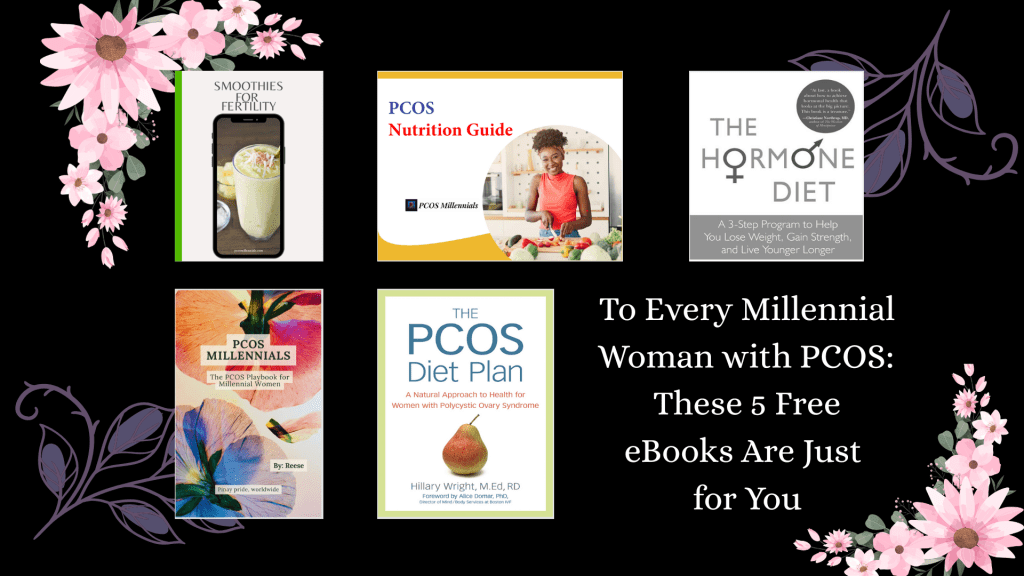
Free eBook for Every Millennial Woman with PCOS: Your Ultimate Guide to Thriving with Hormonal Imbalance





Leave a comment