
As September 30 marks the last day of PCOS Awareness Month 2025, my heart is full of gratitude and a little heaviness.
Gratitude—because for a whole month, the world shines a light on Polycystic Ovary Syndrome (PCOS), a condition that affects millions of women across the globe, including us Filipinas. But also heaviness—because when the month ends, the spotlight fades, and the reality is that we still live with PCOS every single day.
And so, before this month closes, I want to say something from the deepest part of my heart: You are not alone.
If you’re a woman silently struggling with PCOS right now—whether you’re in the Philippines, in Asia, or somewhere across the world—I hope this message reaches you.
I hope you remember that even if your journey feels isolating, there’s a whole sisterhood walking the same path. And together, we are stronger.
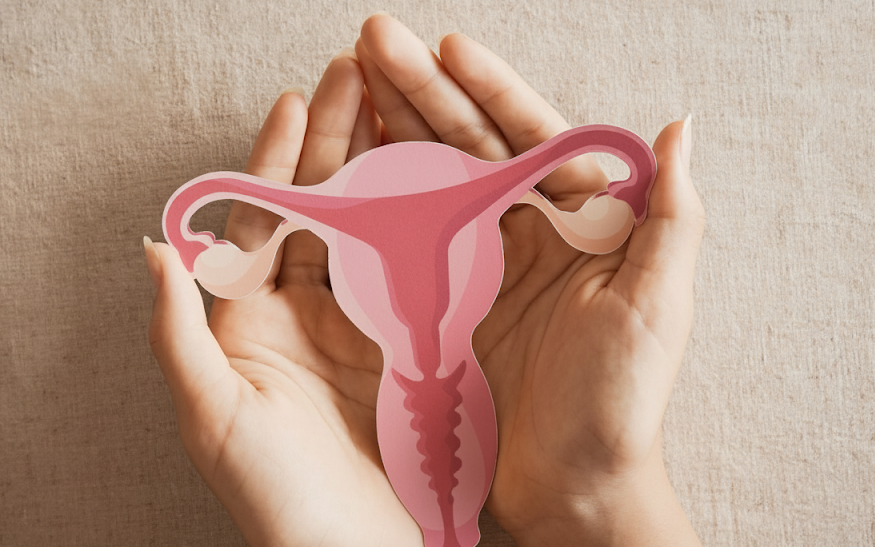
What is PCOS? Understanding Our Silent Battle
Polycystic Ovary Syndrome (PCOS) is more than just “irregular periods.” It’s a hormonal imbalance that can affect a woman’s reproductive health, mental health, and overall quality of life.
Some of the common symptoms include:
- Irregular or absent periods
- Difficulty conceiving (infertility struggles)
- Excess hair growth (hirsutism)
- Persistent acne or oily skin
- Sudden weight gain or difficulty losing weight
- Hair thinning or hair loss
But beyond the physical symptoms, PCOS carries a heavy emotional toll.
Many of us feel betrayed by our own bodies. We question why our cycles aren’t “normal,” why our skin breaks out despite all the skincare routines, why weight won’t budge no matter how disciplined we are. And sometimes, the most painful struggle is the silence—because PCOS is still a condition many don’t fully understand.
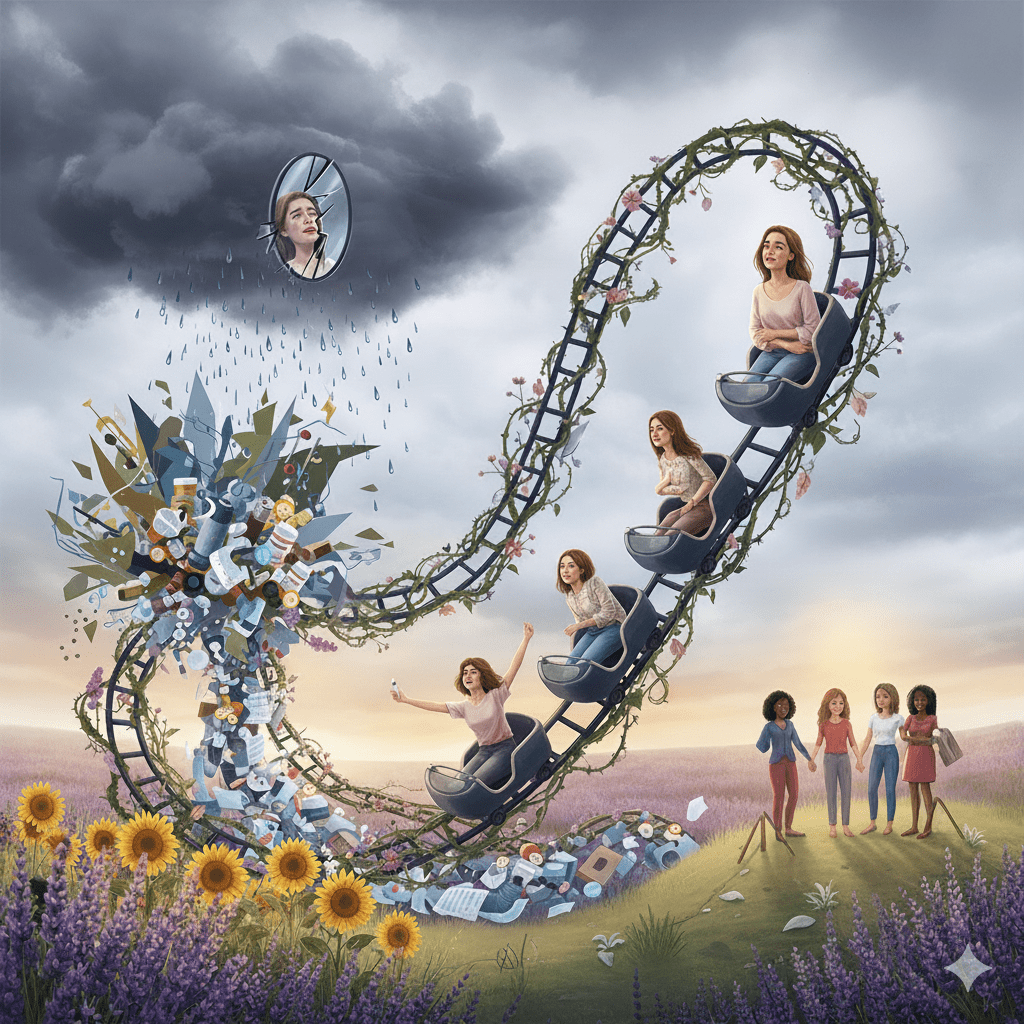
The Emotional Rollercoaster of Living with PCOS
PCOS is not just a medical condition—it’s a daily emotional battle.
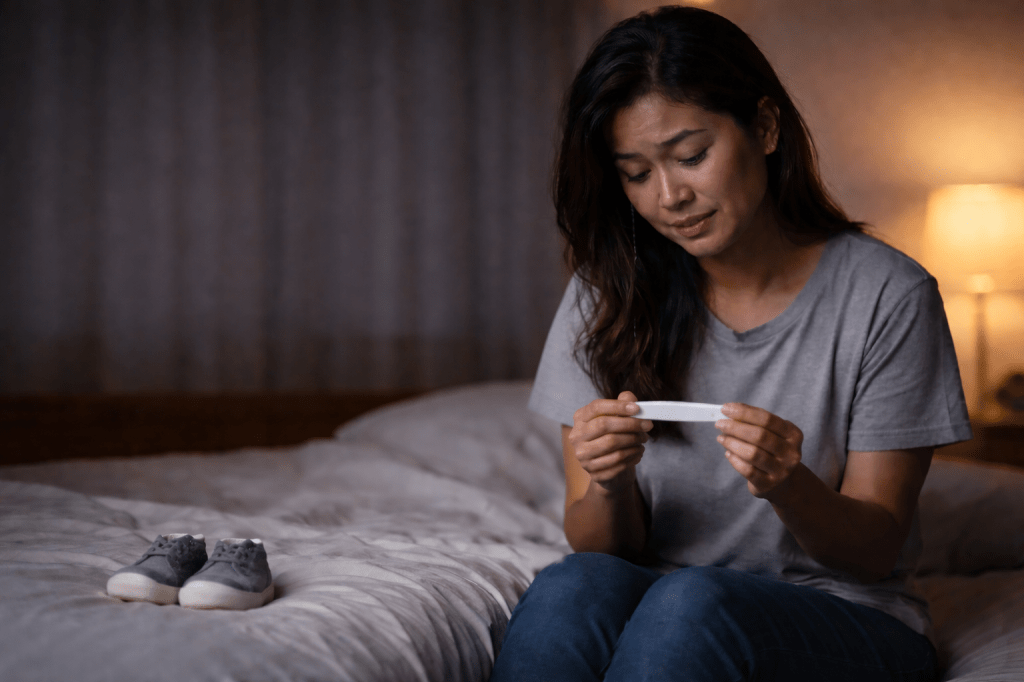
- For women dreaming of becoming mothers, infertility can feel like a constant heartbreak.
- For young women in their teens and twenties, the acne, hair growth, and weight struggles can trigger deep insecurities.
- For wives and partners, PCOS often impacts intimacy, self-esteem, and confidence in relationships.
Personally, there were nights when I cried quietly, asking God, “Why me?” There were days I avoided gatherings because people kept asking, “When are you planning to have kids?”—not realizing the question cut deep into wounds I was already carrying.
But here’s the thing: we need to speak about this openly.
Because PCOS doesn’t just affect our bodies. It affects our mental health, our marriages, our friendships, and sometimes, even our faith.
The Power of Speaking Up
One of the most life-changing lessons I learned is this: silence does not heal.
For years, I kept my struggles hidden. I thought no one would understand. But when I finally opened up—to a friend, to a doctor, to an online community—I felt lighter.
And this is my encouragement for you:
- Ask questions. If your doctor’s explanation confuses you, ask again.
- Share your story. Even just telling a close friend can break the loneliness.
- Seek support. There are online groups, like the community we’re building at PCOS Millennials, that exist to listen and empower.
Not knowing doesn’t mean you should stop learning. Every woman deserves the right to understand her body and her health.
The Struggles We Face in the Philippines
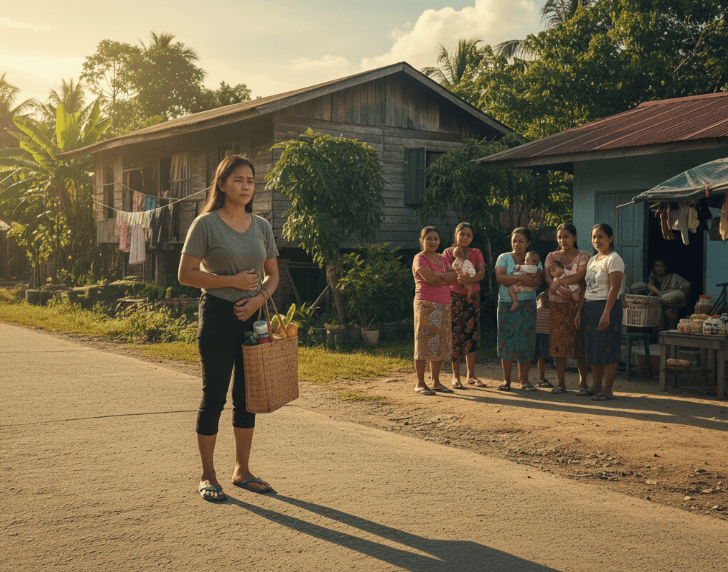
Here in our country, PCOS is often brushed off as “normal.” Some people say, “Irregular periods are common—don’t worry too much.” But behind those words, women continue to suffer.
The truth is, the Philippine healthcare system does not prioritize conditions like PCOS. We lack awareness campaigns, proper diagnostic tools, and affordable treatments. Politicians spend on other things, while women’s health issues remain underfunded.
This has to change.
Because while PCOS may look like a “personal issue,” the truth is—it has national impact. Women with PCOS are at higher risk of diabetes, heart disease, and infertility. These affect families, communities, and the future of our country.
If women are not healthy, how can our nation truly progress?
A Global View: Women Around the World with PCOS
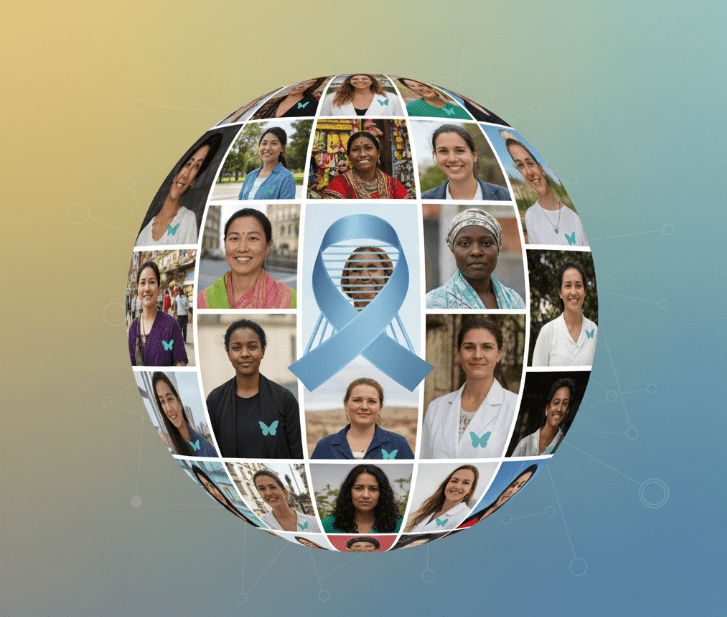
PCOS doesn’t discriminate. It affects women across all cultures, races, and backgrounds.
- In the US and Europe, PCOS is widely studied, and new treatments are emerging.
- In developing countries, many women remain undiagnosed and untreated.
- In Asia, including the Philippines, awareness is slowly growing, but the stigma remains strong.
Recently, innovative technologies like brain stimulation devices for menstrual symptoms (like the Nettle™ device in Europe) have been developed. Yet here in our country, we are still struggling for basic awareness.
This global gap in women’s health shows why advocacy matters.
How to Manage PCOS: Practical Steps
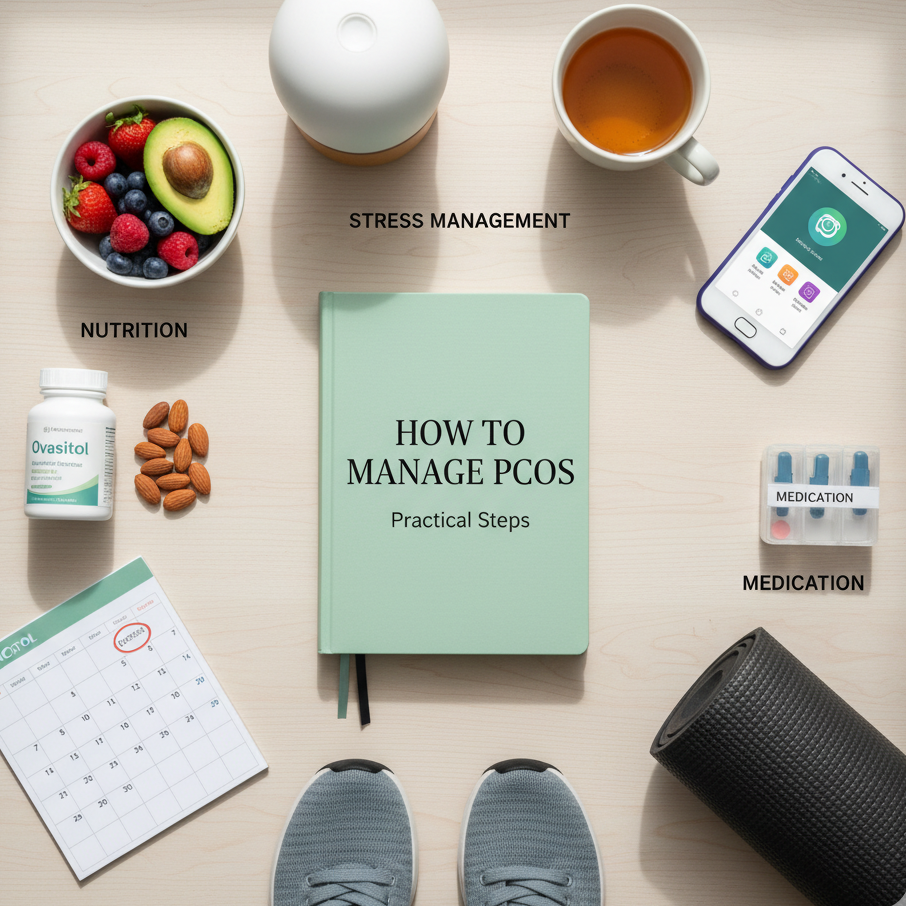
While there is no cure yet, PCOS can be managed. Each woman’s journey is unique, but here are some proven ways:
1. Lifestyle Changes
- Balanced diet: Focus on whole foods, less sugar, more fiber.
- Exercise: Regular movement helps regulate insulin.
- Sleep: Aim for 7–9 hours daily.
- Stress management: Yoga, journaling, prayer, or simply resting.
2. Medical Approaches
- Hormonal treatments like birth control pills to regulate cycles.
- Metformin for insulin resistance.
- Fertility treatments if pregnancy is a goal.
3. Emotional & Spiritual Care
- Therapy for anxiety or depression linked to PCOS.
- Support groups for encouragement.
- Faith and prayer for inner strength.
Remember: managing PCOS is not about perfection—it’s about progress.

Why PCOS Awareness Matters for the Future
Some might ask: “Why make a big deal out of PCOS?”
Here’s why: because when women are silenced, nations lose strength.
PCOS doesn’t just affect fertility—it affects productivity, mental health, and long-term well-being. If millions of women are struggling without proper care, how can our societies move forward?
Awareness creates action. Action builds support. And support transforms lives.
That’s why PCOS Awareness Month should not just be a September campaign—it should be a year-round mission.
To Every Woman Reading This
I want to take this moment to speak directly to you.
If you’ve ever felt isolated because of PCOS…
If you’ve ever cried silently because you didn’t understand your body…
If you’ve ever carried shame because of acne, hair growth, or infertility questions…
Please know this: You are not alone.
From Manila to Mindanao, from Asia to America, there are women like you—fighting, learning, and surviving. Our struggles may differ, but our hearts are connected by the same resilience.
And even when the world doesn’t seem to care, this sisterhood cares. I care.

Moving Forward Together
The road ahead may not be easy. But together, we can:
- Push for stronger healthcare systems.
- Educate young girls about their bodies.
- Break the stigma surrounding reproductive health.
- Build communities of love and support.
And one day, when PCOS is finally recognized, researched, and treated as it should be—we will celebrate that victory together.
As we close PCOS Awareness Month 2025, I want us to hold onto one truth:
Awareness sparks change. Community creates strength. And together, we can heal.
So don’t give up. Don’t stay silent. Keep fighting, keep learning, keep speaking out.
Because every time we do, we remind the world of this powerful truth: We are not alone.
Love,
Reese ❤️
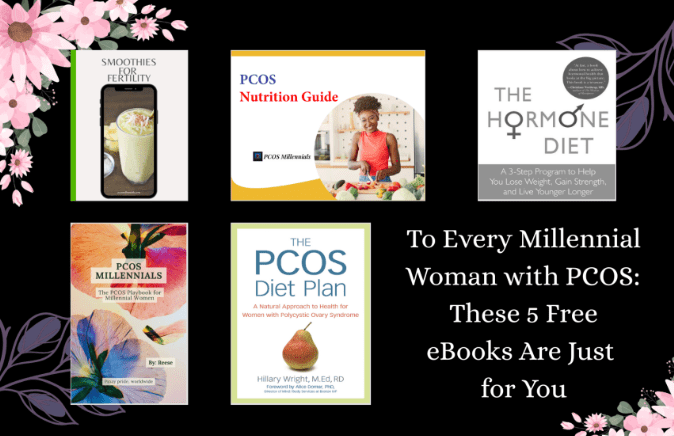
Free eBook for Every Millennial Woman with PCOS: Your Ultimate Guide to Thriving with Hormonal Imbalance


Leave a comment