More Than Just “Huli na Naman yung Period Mo”
As women, we often grow up hearing phrases like:
“Normal lang yan, late lang.”
“Baka stress ka lang.”
“Diet mo lang siguro yan.”
But for those of us living with Polycystic Ovary Syndrome (PCOS) or other hormonal conditions, irregular menstrual cycles are not just about being a week late or skipping a month. They are signals—parang body alarm bells—telling us that something deeper is going on inside our system.
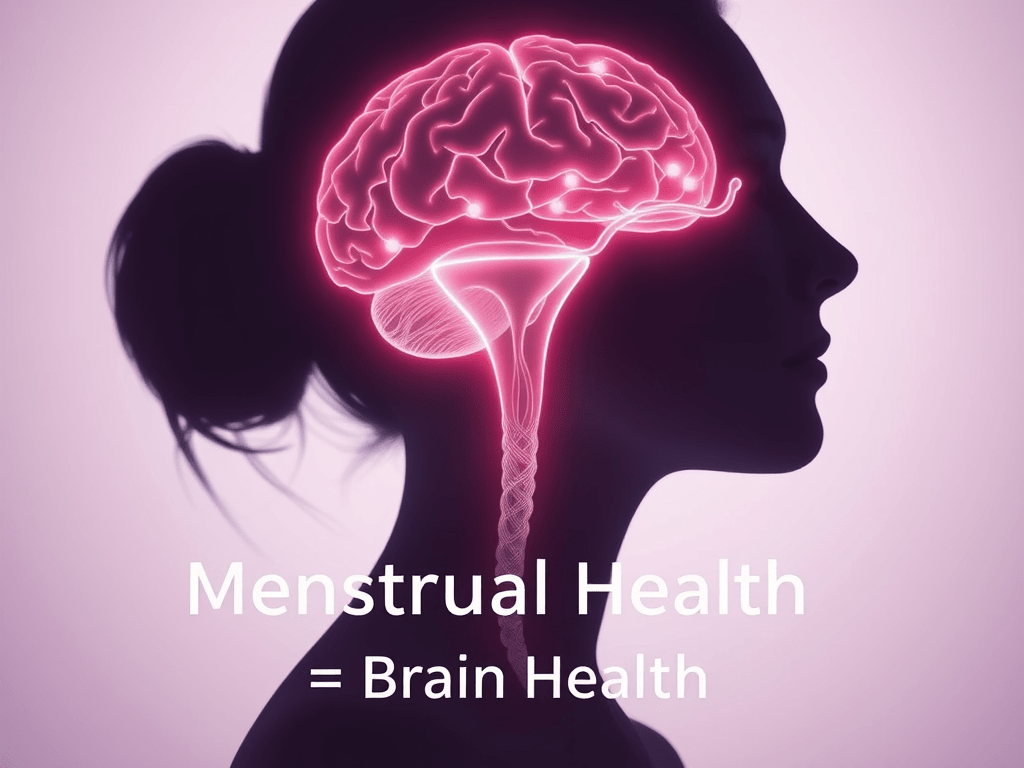
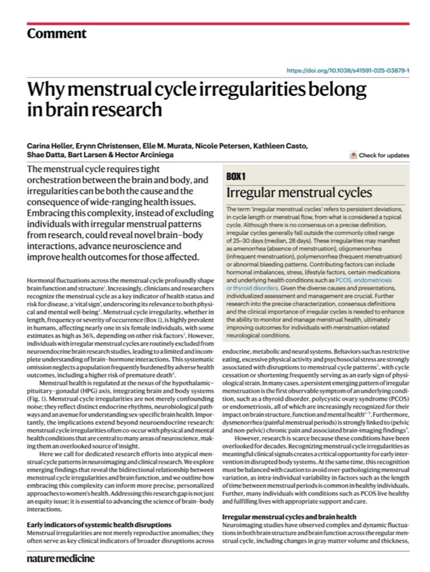
A new article published in Nature Medicine (2025) emphasizes something many of us have always felt but never had the words for: our menstrual cycles are deeply connected to brain health. Irregularities in our cycle are not just reproductive issues—they can affect how we think, feel, and even how our brain functions long term.
And honestly? Reading that gave me goosebumps. Because finally, science is catching up to what so many women have been saying for decades: our periods are windows into our overall health, including mental and neurological well-being.
PCOS and the “Silent Struggle” of Irregular Cycles
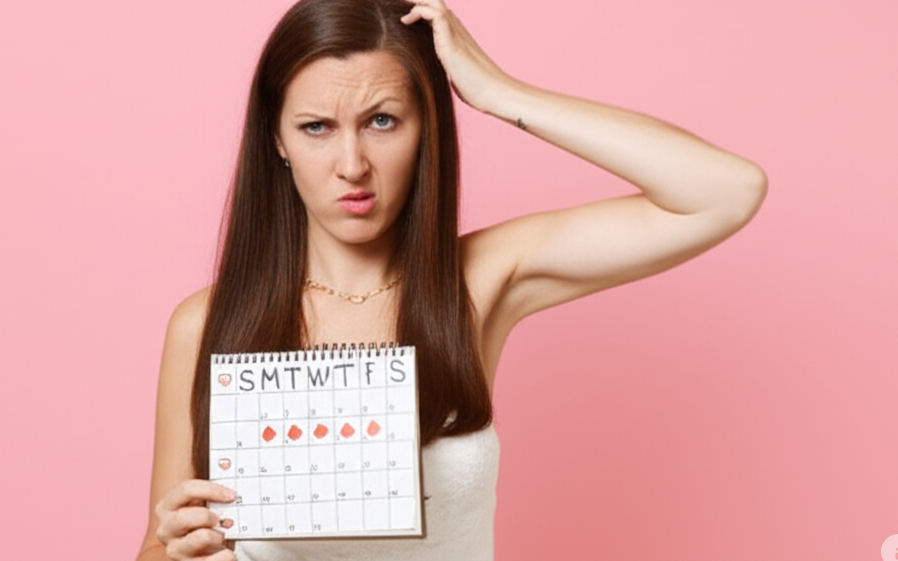
Living with PCOS means living with uncertainty.
Minsan 40 days, minsan 3 months, minsan wala. You wake up every morning wondering, “Magkaka-period ba ako this month?” And every missed cycle feels like a mix of relief and anxiety: relief from the pain and heavy flow, but anxiety about fertility, hormonal imbalances, and health risks.
But what if I told you that this uncertainty doesn’t just affect your uterus—it also affects your brain?
The article points out that menstrual cycle irregularities are not just gynecological problems—they are neuroendocrine signals. Meaning, the same hormones that regulate our period also shape our brain’s chemistry, emotional balance, memory, and resilience.
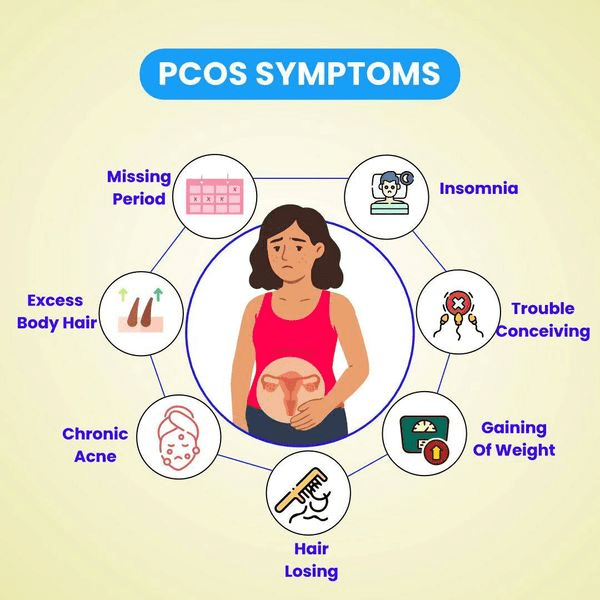
No wonder so many of us with PCOS struggle with:
- Brain fog (yung tipong nakatingin ka sa screen pero blanko na utak mo)
- Anxiety and depression
- Mood swings na parang rollercoaster
- Difficulty focusing
It’s not “all in our head.” It’s literally in our hormones, which affect the brain.
Early Warning Signs: Why Irregular Periods Should Never Be Ignored
Doctors sometimes downplay menstrual irregularities. “Magpahinga ka lang, normal yan.” Pero hindi. Research shows that:
- Irregular periods can signal systemic health issues like PCOS, thyroid problems, diabetes, and even cardiovascular risk.
- These irregularities may also predict mental health vulnerabilities, including depression and anxiety.
- Women with PCOS are at higher risk of neuropsychiatric disorders—not because we’re weak, but because our brain chemistry is directly influenced by hormonal imbalance.
Kung tutuusin, every irregular cycle is like your body saying:
“Hey girl, something deeper is happening. Please listen.”
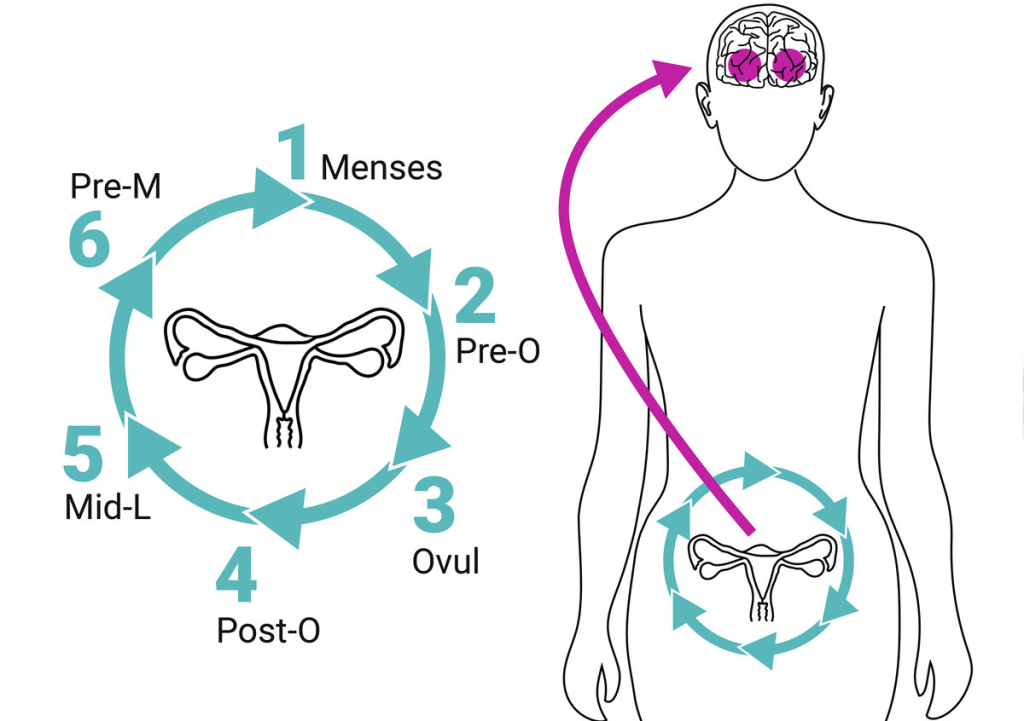
The Brain–Period Connection: Explained Simply
The article highlights the Hypothalamic–Pituitary–Gonadal (HPG) Axis—basically the control tower that coordinates your brain and ovaries.
Here’s how it works:
- Your hypothalamus (part of the brain) sends signals.
- The pituitary gland releases hormones (LH and FSH).
- Your ovaries respond by producing estrogen and progesterone.
- These hormones regulate ovulation, menstruation, mood, and even cognitive function.
Pero sa atin with PCOS, madalas disrupted ang process na ito. Result? Irregular cycles, hormonal imbalances, and yes—impacts on brain health.
This is why so many of us notice mood changes, memory lapses, and even worsening mental health symptoms during certain phases of our cycle.
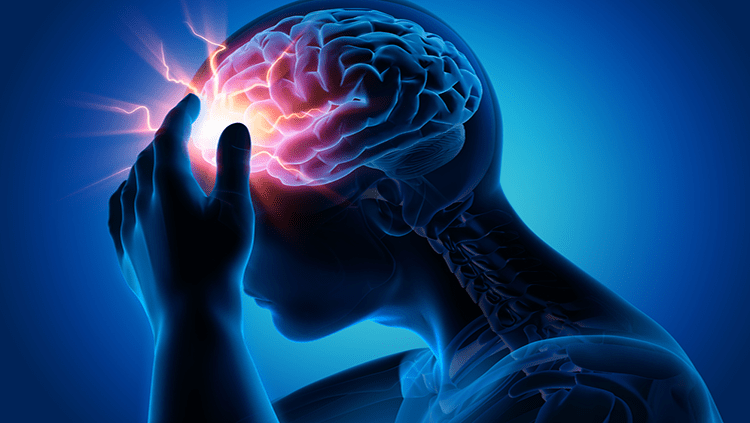
Concussions, Brain Injury, and PCOS: Surprising Links
One powerful point in the article: menstrual cycles can affect recovery from brain injuries.
Kung may concussion or brain trauma, women with irregular cycles or hormonal disorders like PCOS may experience longer recovery times. Why? Because our hormonal fluctuations directly influence brain healing.
This is groundbreaking—kasi it means menstrual cycles aren’t just about fertility. They are vital biomarkers for brain resilience, recovery, and health.
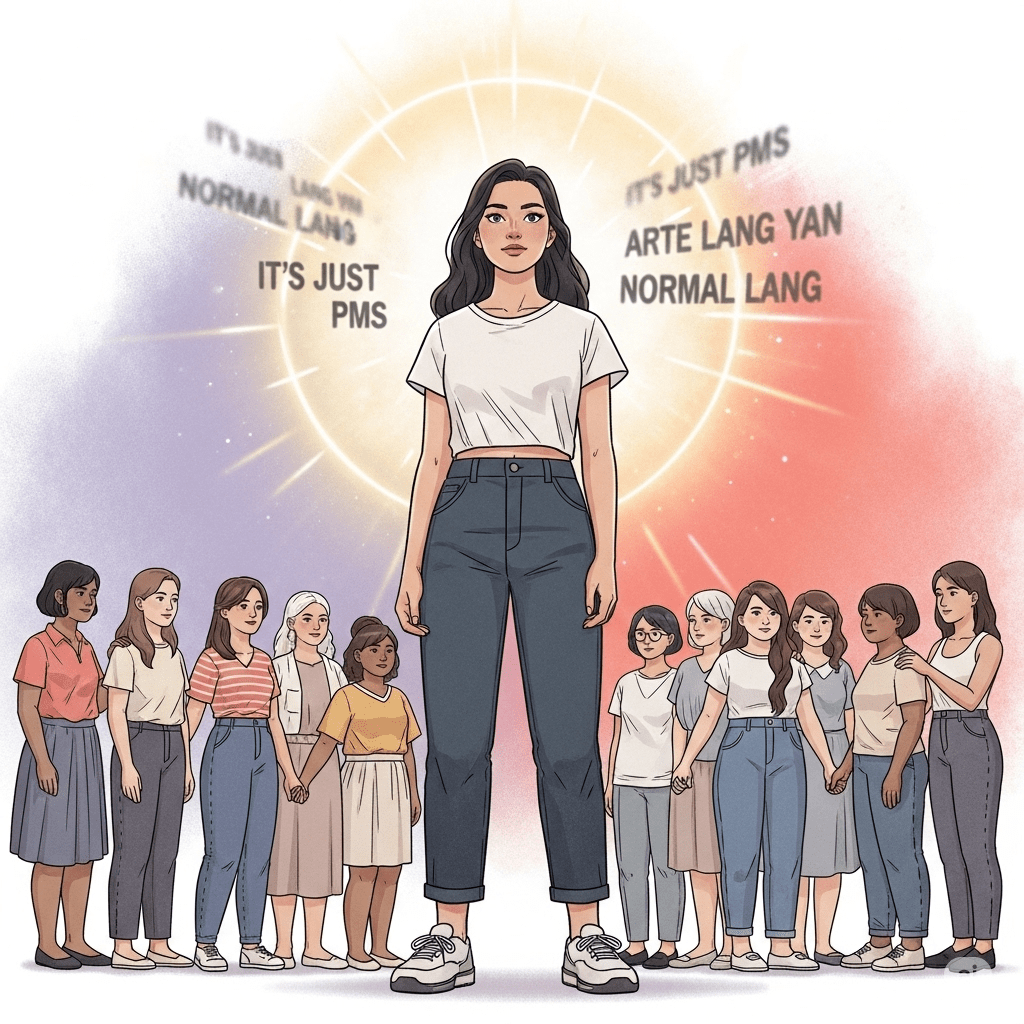
Breaking the Stigma: It’s Not Just “PMS”
For too long, society has dismissed women’s struggles with menstrual irregularities.
- “Arte lang yan.”
- “PMS lang yan, don’t be so emotional.”
- “Di naman life-threatening, bakit pinapalaki?”
But when science shows that irregular periods are linked to neuropsychiatric disorders, depression, anxiety, and even brain injury outcomes, dapat magbago na ang perspective.
We need to shift from minimizing women’s pain to recognizing menstrual health as brain health.
The Emotional Side: Living with PCOS and Feeling “Less Than”
Let’s be real—beyond science, the hardest part of PCOS is the emotional rollercoaster.
When your cycle is irregular, parang lagi kang “different” from other women. You scroll through social media and see friends complaining about cramps, while you’re silently wishing you even had a period to complain about.
And when it comes to fertility, the pressure becomes heavier. Society equates womanhood with motherhood, kaya pag irregular ang cycle mo, parang may kulang.
But let me tell you this, sis: you are not less of a woman because of PCOS.
Your worth is not defined by your cycle, fertility, or hormone levels.
Future Hope: Why We Need More Research
The article ends with a call for more interdisciplinary research—neuroimaging, hormonal profiling, and clinical studies that don’t exclude women with irregular cycles.
Because the truth is, women with PCOS and other hormonal conditions have been historically excluded from medical research. And that exclusion cost us decades of understanding.
Imagine if earlier research had connected irregular cycles with brain health. Maybe more women would have received help earlier. Maybe more lives could have been improved.
For Women, Families, and Policy-Makers
So where do we go from here?
- For women with PCOS: Listen to your body. Track your cycles. Seek doctors who validate, not dismiss. Your period is not just a monthly visitor—it’s your health messenger.
- For families and partners: Support the women in your life. Don’t reduce their struggles to “PMS.” Understand that hormonal imbalances affect mind, body, and soul.
- For the government and health institutions: Invest in women’s health research. Push for policies that integrate menstrual health into broader healthcare systems.

Our Cycles, Our Stories
Menstrual irregularities are not just numbers on a calendar. They are stories—of women fighting silent battles, of emotions intertwined with hormones, of resilience in the face of stigma.
And now, science finally agrees: our cycles belong in brain research.
So to every woman reading this, especially my fellow PCOS warriors: your irregular cycles are not just disruptions. They are signals of your body’s strength, complexity, and need for care.
And together, if we keep speaking up, maybe the world will finally listen. 🌸
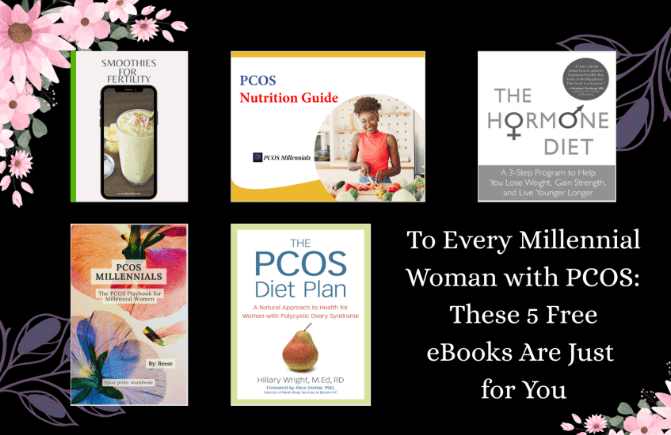
Free eBook for Every Millennial Woman with PCOS: Your Ultimate Guide to Thriving with Hormonal Imbalance



Leave a comment