The Pain No One Talks About
Polycystic Ovary Syndrome—PCOS.
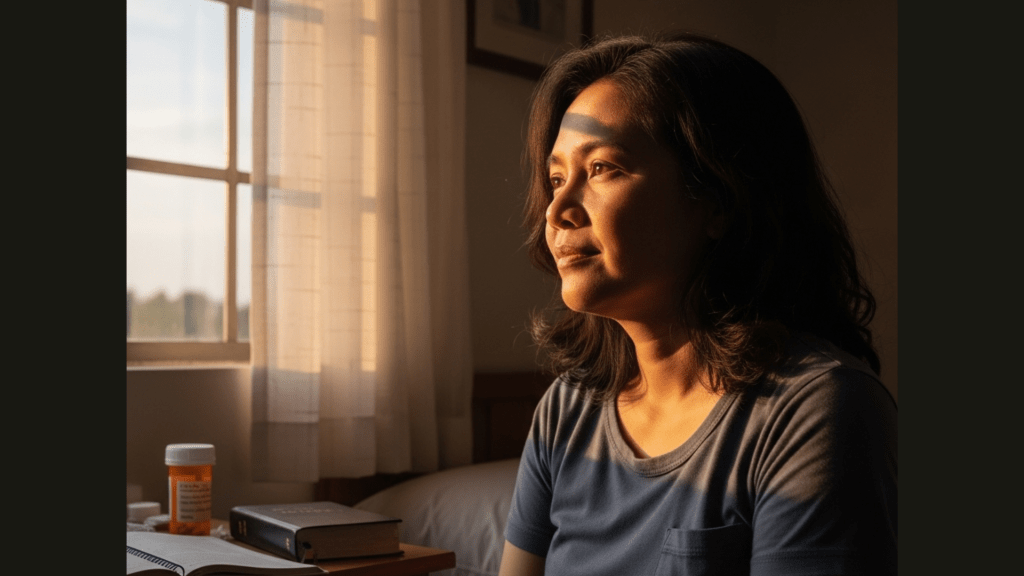
It’s a diagnosis that lands on your lap with little explanation and even less compassion. If you’re a Filipina dealing with it, chances are you’ve been told to lose weight, to drink herbal teas, or to pray it away. But here’s the truth: PCOS is more than cysts.
It’s an intricate medical condition with emotional, psychological, and social consequences that go unseen—especially in a culture that tells women to stay quiet.
A powerful peer-reviewed study titled The Invisible Struggle: The Psychosocial Aspects of Polycystic Ovary Syndrome shines a light on what we’ve known all along but haven’t always been able to articulate—that PCOS is a deeply emotional experience. The study explores how depression, anxiety, body image issues, and social stigma converge in the lives of women with PCOS.
This blog translates that clinical insight into the heart of a Filipina’s lived reality. It is written with compassion, grounded in science, and woven with real-life emotion. If you’ve ever felt alone in your PCOS battle, this space is for you.
The Diagnosis That Changes Everything
PCOS affects 1 in 10 women globally.
But in the Philippines, it often goes undiagnosed or misunderstood for years. Many of us visit multiple doctors, only to be told we just need to lose weight or regulate our period using birth control.
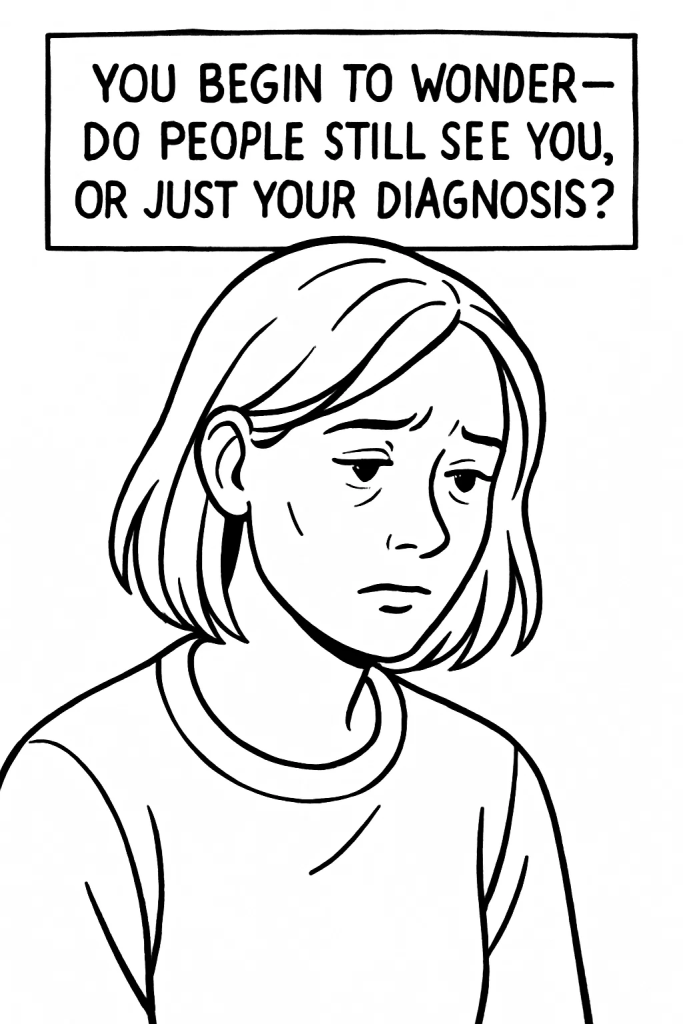
But what they don’t tell you is how PCOS can deeply affect your sense of self.
In the study by Darwish et al. (2023), researchers examined the mental health burdens associated with PCOS and found a clear link to depressive symptoms, anxiety, and social withdrawal. The reason? Women often feel as though their bodies are betraying them.
The sense of loss is not just physical—it’s emotional, spiritual, and social.
For a Filipina, this diagnosis isn’t just a medical label. It’s a challenge to your identity, your femininity, and sometimes, your faith.
Filipinas are raised with values of modesty, self-sacrifice, and resilience. We are taught not to complain, not to question our bodies, and never to speak of reproductive issues outside whispered conversations.
When our bodies behave differently—when periods vanish, when acne flares up, when weight gain becomes uncontrollable—we often internalize guilt.
But what if the silence is hurting us more than the symptoms?
The study explains how lack of social support worsens mental health in women with PCOS. In the Philippines, where mental health resources are scarce and often stigmatized, this effect is doubled. We don’t just suffer alone—we’re conditioned to pretend we’re not suffering at all.
The Unseen Emotional Burden
The research found that women with PCOS are significantly more likely to report anxiety and depression.
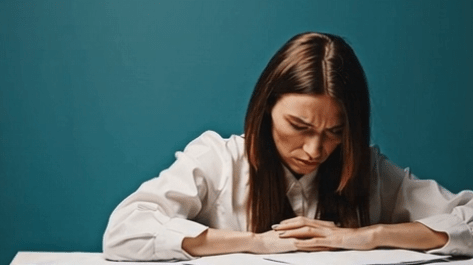
And yet, mental health screening is not part of standard PCOS care—even in urban hospitals. What does this mean for us? It means we carry the load quietly.
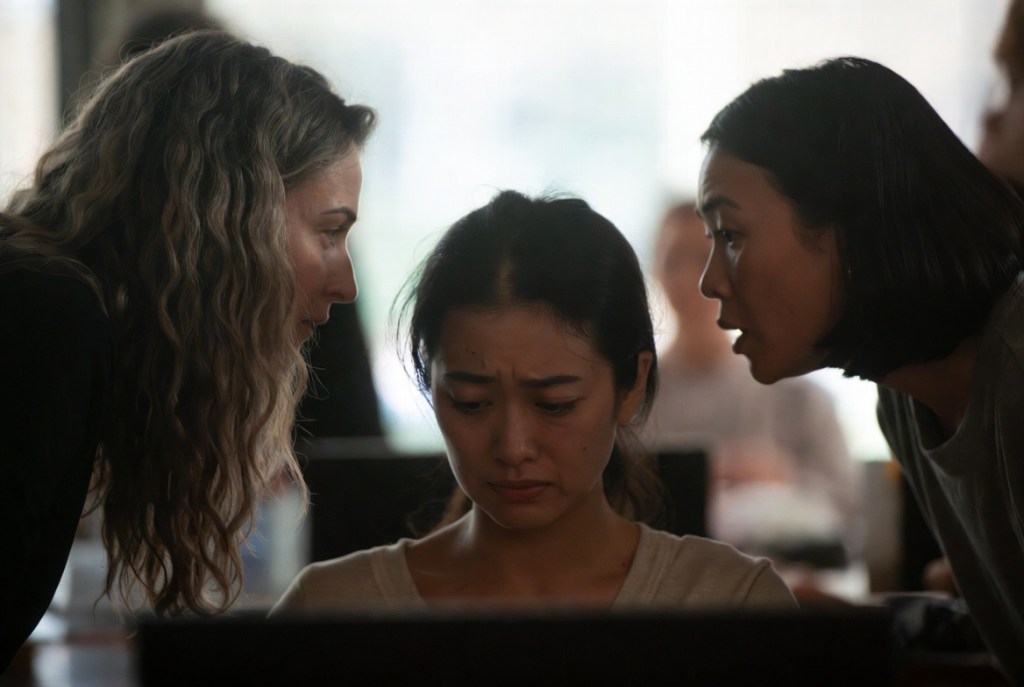
We cry in the bathroom during work breaks.
We smile through family gatherings while silently grieving the body we no longer understand.
Here’s what depression looks like in a Filipina with PCOS:
- Skipping meals to punish yourself for weight gain
- Avoiding mirrors because the acne feels too loud
- Wearing oversized clothes to hide the bloat
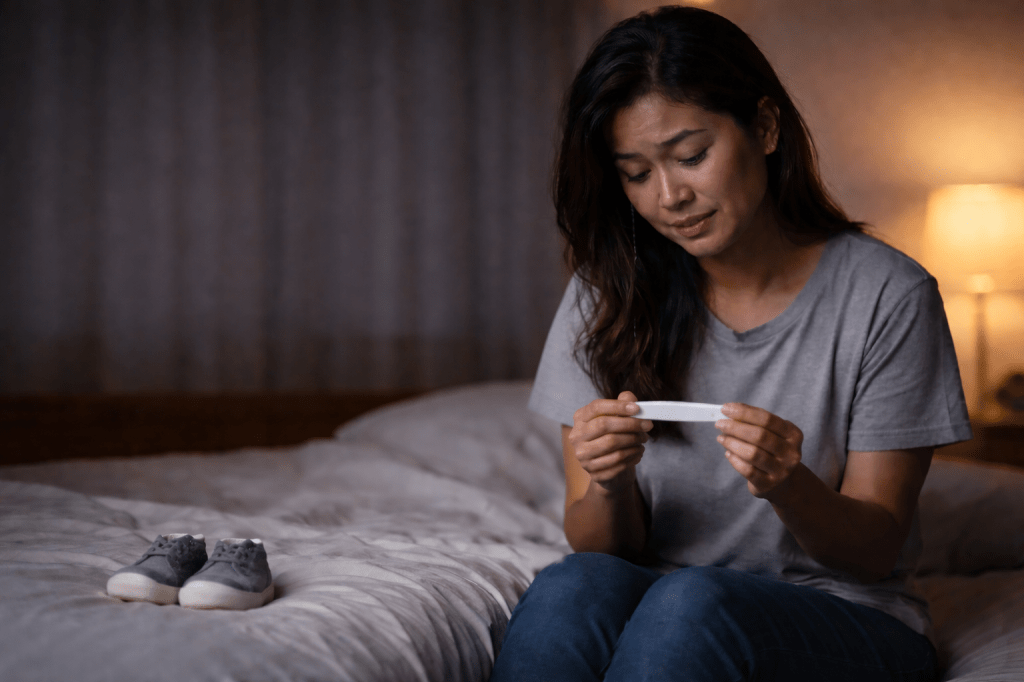
- Ignoring the longing to be a mom because your OB-GYN said, “It’s complicated.”
These are not exaggerations. These are everyday realities.

How PCOS Rewrites Womanhood
In Filipino culture, a woman is expected to marry, bear children, and care for her family.
PCOS, particularly when it affects fertility, disrupts that traditional arc. Infertility feels like failure. Your body becomes a symbol of what you can’t give—children, continuity, motherhood.
But this is a myth we need to break.
The study emphasizes the need for psychosocial support, yet most OB-GYNs still treat PCOS like a simple hormonal issue. For many Filipinas, the deeper wound isn’t just irregular periods—it’s the question, “Am I still enough?”
Yes. You are.
You are not less of a woman because of your diagnosis. You are not broken. You are navigating a complex medical condition in a society that doesn’t know how to support you.
The Weight of Weight
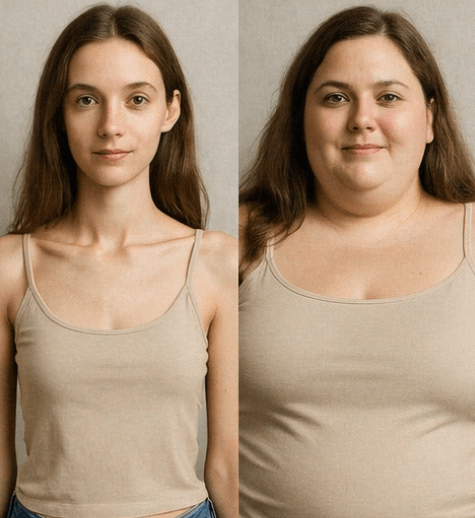
One of the most stigmatized symptoms of PCOS is weight gain.
Every tita has advice. Every friend has a fad diet. But none of them understand the metabolic resistance PCOS creates.
According to the Cureus study, body dissatisfaction is one of the strongest emotional outcomes among PCOS patients.
And it’s not just about how we look—it’s about how we’re treated.
A woman in the study shared, “I feel like no matter what I do, I’m always failing.” That’s a sentiment many of us echo.
Weight stigma adds to mental health decline. When the world only celebrates weight loss as success, those of us in larger bodies are made to feel invisible—or worse, inferior.
Let’s flip that narrative. Let’s honor our bodies for surviving, for showing up, for fighting despite the odds.
How We Heal—Together
The study recommends peer support, counseling, and emotional education as essential parts of PCOS care.
But what if those don’t exist where you are?
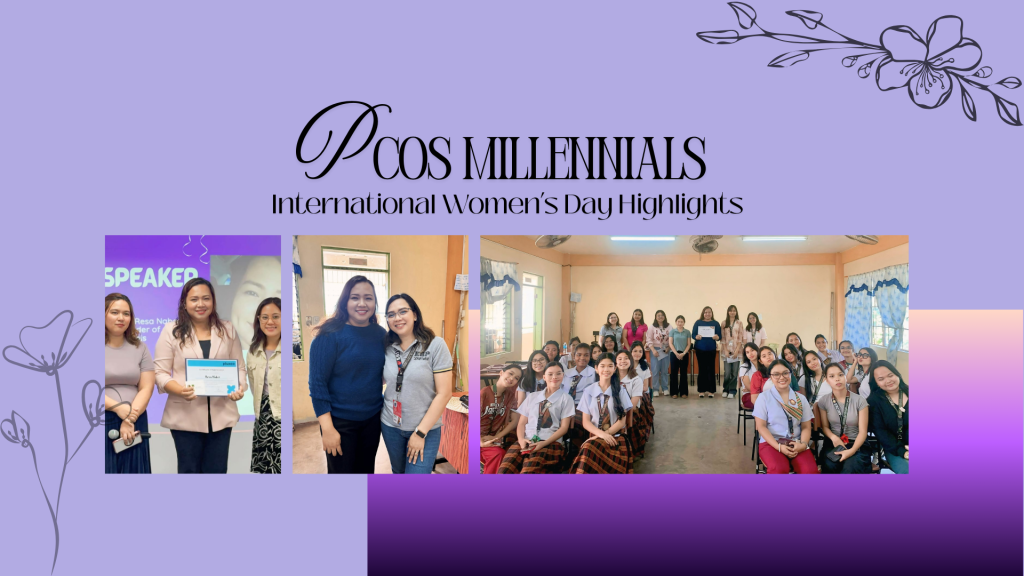
This is why platforms like PCOS Millennials matter. We are building a space where:
- Women can ask hard questions
- We can cry together after disappointing ultrasounds
- We can celebrate small wins—like ovulating after months of irregular cycles
- We can push for local government and healthcare policy changes
Healing is not linear. Some days you’ll feel strong. Other days you’ll need someone to remind you that you are.
We are here for both.

Gentle Affirmations for Every Filipina Warrior
Because sometimes, what we need isn’t another medication—it’s a kind word.
💜 You are not alone.
💜 Your pain is real.
💜 You are still beautiful, even when your hormones say otherwise.
💜 You are still worthy, even if your periods aren’t regular.
💜 You don’t have to have children to have purpose.
These are not just affirmations. They are truths.
PCOS may be an invisible illness, but you are not invisible. Your struggle matters. Your story matters. And most importantly, your healing is possible.
Let this blog be your reminder that behind every statistic is a sister. That you are part of a community of women who refuse to be defined by silence.
You have every right to demand better care, to talk about your pain, and to expect compassion from your doctors, your family, and your society.
You are not just surviving PCOS—you are rewriting what it means to thrive with it.
Call to Action: Step Into the Light
👉 Visit www.pcosmillennials.com to join a growing community of Filipinas facing PCOS with courage, clarity, and connection.
👉 Follow us on social media @pcosmillennials for support, events, and expert-led content.
👉 Share your own PCOS story using #PCOSMillennials and help us educate and empower more women.
Let’s make sure no Filipina ever has to suffer in silence again.
Love, Reese ❤
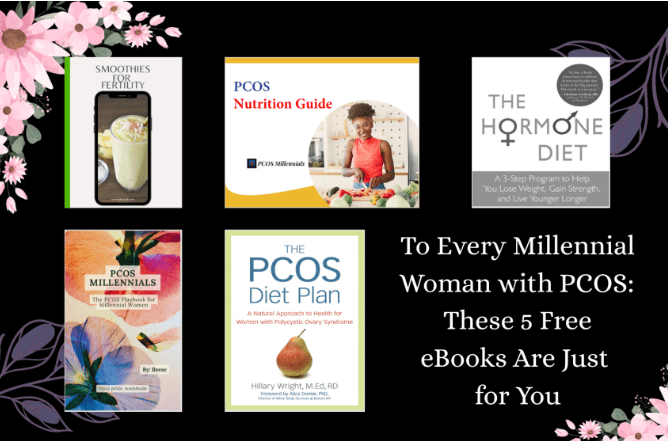
️️Free eBook for Every Millennial Woman with PCOS: Your Ultimate Guide to Thriving with Hormonal Imbalance


Leave a comment