
How High Uric Acid and PCOS Are Connected (and What You Can Do About It)
Mga sis, let me share something I never expected.
I’ve had PCOS since I was 23. I’ve lived through the acne, irregular periods, weight struggles, and the emotional rollercoaster. But one thing I never thought I’d have to deal with?
Gout.
Yes, gout.
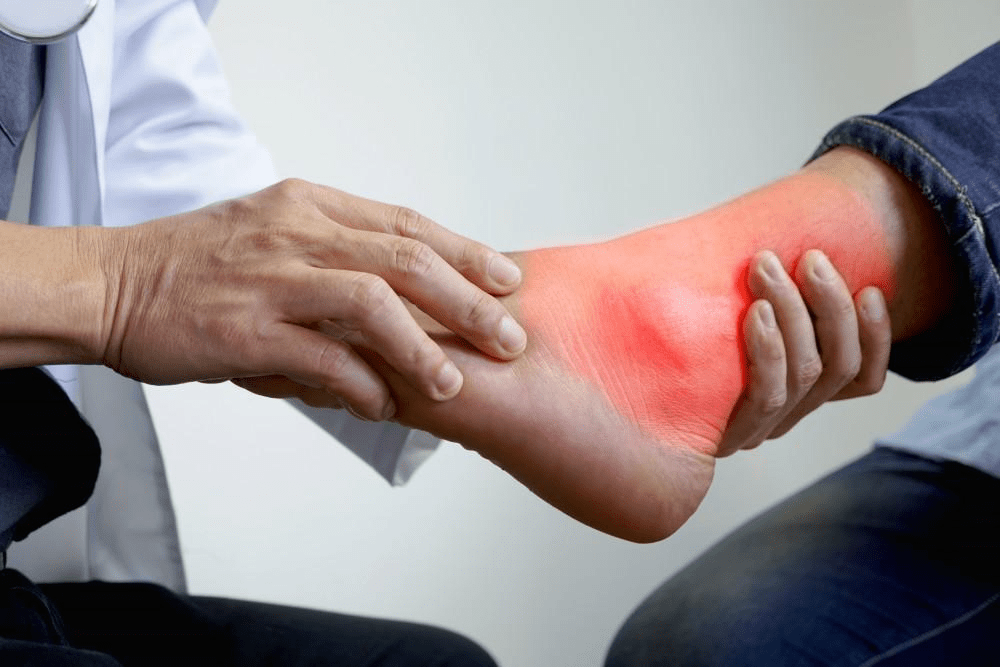
I always thought it was something only old men get. But there I was, rushing to the ER dahil sobrang sakit ng joint ko. My big toe was red, swollen, and throbbing like it was on fire. I couldn’t even walk.
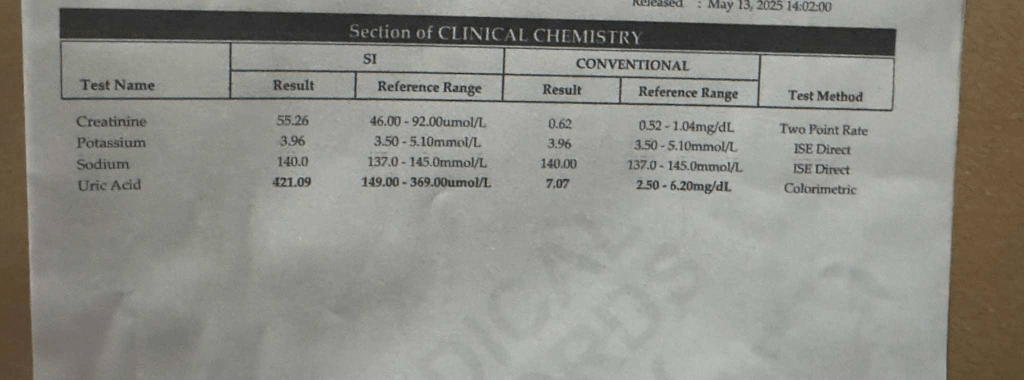
When the ER doctor checked my labs, boom — high uric acid levels. I was shocked. I don’t even eat red meat, drink alcohol, or have any history of gout in my family. So bakit?
Turns out, the real cause was something I’ve been battling all along: PCOS.
What Is PCOS (Polycystic Ovary Syndrome) Again?
PCOS is a hormonal disorder affecting many women in their reproductive years. Symptoms include:
- Irregular periods or no periods
- Acne and oily skin
- Excess hair (hello, chin hair!)
- Weight gain, especially around the belly
- Trouble getting pregnant
- Mood swings
But what many don’t know is that PCOS also affects your metabolism — and that includes how your body handles uric acid.
What Is Uric Acid?
Uric acid is a waste product created when your body breaks down purines, which are found in certain foods (like red meat, seafood, and alcohol).
Normally, it’s flushed out through your urine. But when your body makes too much uric acid, or can’t get rid of it fast enough, it builds up in your blood.
This condition is called hyperuricemia, and it can lead to gout — a painful form of arthritis that often starts in the big toe.
The PCOS and Uric Acid Connection
Here’s what I learned the hard way: Even if you’re eating healthy, avoiding red meat, and living clean, PCOS can still mess with your uric acid levels.
Here’s how:
- Insulin Resistance – One of the hallmarks of PCOS is insulin resistance. This means your body doesn’t respond well to insulin, so your pancreas produces more of it. High insulin levels reduce your kidneys’ ability to flush out uric acid, causing it to accumulate.
- Chronic Inflammation – PCOS is an inflammatory condition. This constant low-grade inflammation can also lead to increased uric acid production.
- Abdominal Obesity – Even if you’re not overweight, PCOS can cause fat to accumulate around the belly. Visceral fat is linked to higher uric acid levels.
- Hormonal Imbalances – Low estrogen and high androgens (male hormones) in PCOS can also affect how your body handles uric acid.

My Lab Results Were “Normal”… Except Uric Acid
What shocked me most was that my creatinine, sodium, and potassium levels were all normal — meaning my kidneys were working fine.
So bakit mataas pa rin ang uric acid ko?
Answer: PCOS was the hidden culprit. My lifestyle wasn’t the problem. It was the underlying hormonal and metabolic imbalance.
What I Eat (and Don’t Eat)
- No red meat or beef
- Mostly fish (bangus), chicken, and veggies
- I drink soy milk
- No alcohol or smoking
So if you’re like me and still ended up with high uric acid, know that it’s not your fault.
It’s your body’s chemistry reacting to PCOS.
What to Watch Out For: Symptoms of Gout
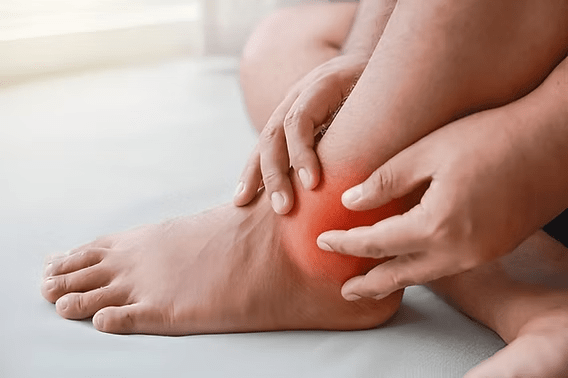
- Sudden, intense pain in a joint (usually the big toe)
- Swelling and redness
- Pain that wakes you up at night
- Warm or throbbing sensation in the joint
If you feel these, don’t ignore it. Go see a doctor.
I didn’t know it was gout until I was crying in the ER.
How to Manage High Uric Acid with PCOS
Here are tips that I’m now following to manage both my PCOS and uric acid:
1. Stay hydrated
Drink lots of water. It helps flush uric acid out of your system.
2. Eat low-purine, anti-inflammatory food
- Leafy greens, oats, cucumber, berries
- Avoid too much bangus or other oily fish — moderate lang
- Limit sugary drinks and white carbs
3. Control insulin resistance
- Consider inositol or berberine supplements
- Regular exercise (kahit 20 mins walking daily!)
- Low-glycemic index foods to avoid blood sugar spikes
4. Medications (if needed)
Talk to your OB-GYN or endocrinologist about:
- Metformin – helps with both PCOS and uric acid
- Allopurinol or Febuxostat – for those with recurring gout
Why This Matters, Especially for Us Filipinas
Gout is often seen as a “men’s disease”, but PCOS changes the game.
More women, especially those with PCOS, are silently suffering from high uric acid — and many don’t even know it until it’s too late.
We need more awareness. We need doctors to consider uric acid tests for women with PCOS.
And we need to listen to our bodies, not brush off our symptoms just because we think it’s “normal.”

Final Thoughts: Take Charge, Sis
To my fellow Filipinas with PCOS: Don’t wait for an ER visit to realize something’s wrong. If you’re feeling off, ask your doctor to check your uric acid. Monitor your health closely. You deserve answers and support.
Let’s break the stigma, educate ourselves, and empower each other to thrive — not just survive — with PCOS.
Do you have a similar story? Share it with us!
Comment below or DM me on Instagram @pcosmillennials or visit my blog at www.pcosmillennials.com for more kwentos, tips, and support.
Laban lang tayo, mga sis. We got this.
Free eBook for Every Millennial Woman with PCOS: Your Ultimate Guide to Thriving with Hormonal Imbalance








Leave a comment