
Habang nagba-browse ako online, I was doing some research about our health.
This is especially true when it comes to Polycystic Ovary Syndrome or PCOS. During my research, I stumbled upon a new term: Polycystic Ovarian Morphology (PCOM).
Honestly, I never thought na itong condition na ‘to would have another name. I also never thought there would be a slight difference based on ongoing studies and research. So, I wanted to share with you what I’ve learned about PCOS and PCOM, and ano nga ba talaga ang pinagkaiba nila.
Tara, pag-usapan natin!
Bakit tinawag na “Polycystic Ovarian Morphology” (PCOM)?
The name actually comes from how the ovary looks on ultrasound imaging — the word “morphology” means structure or form.
So:
🔍 Polycystic = maraming maliit na “cysts” or follicles (hindi talaga totoong cysts, kundi immature egg follicles)
🧠 Ovarian = sa ovary
🧬 Morphology = itsura or structure (gamit ang ultrasound)
Pero teka — hindi ibig sabihin may sakit ka agad kapag may PCOM ka.
Here’s why:
- PCOM is just a description ng hitsura ng ovaries, not a diagnosis.
- Common ito sa teenagers and even in healthy women.
- Kaya hindi sapat ang PCOM para sabihing may PCOS ka. Kailangan mo ng at least 2 out of 3 Rotterdam criteria:
- Irregular periods
- High androgens (acne, facial hair, etc.)
- Polycystic ovaries on ultrasound (PCOM)
- Irregular periods
Pagkakaiba ng PCOS at PCOM
| PCOS (Polycystic Ovary Syndrome) | PCOM (Polycystic Ovarian Morphology) |
| Ito ay sakit o syndrome – may sintomas, at may epekto sa buong katawan. | Isa lang itong finding sa ultrasound – hindi siya sakit kundi possible sign lang. |
| Kailangan ng diagnosis gamit ang criteria (Rotterdam Criteria: 2 out of 3 – irregular periods, high androgens, at PCOM). | Hindi ito sapat para ma-diagnose ka ng PCOS. Pwede kang may PCOM pero walang PCOS. |
| May mga symptoms tulad ng irregular periods, acne, hirsutism, weight gain, at fertility issues. | Walang symptoms palagi. Maraming babae ang may PCOM pero regular ang periods at walang ibang sintomas. |
| May long-term risks tulad ng insulin resistance, type 2 diabetes, at fertility issues. | Hindi lahat ng may PCOM ay may risks – minsan normal lang ito, especially sa younger women. |
Halimbawa:
- Si Ana, 23 years old, may regular na period. Wala siyang acne or hirsutism. May “cysts” siya sa ultrasound, kaya’t PCOM ito, pero hindi PCOS.
- Si Mika, 29 years old, may irregular periods, acne, at nakita ring may cysts sa ultrasound → PCOS.
In short:
Lahat ng may PCOS, may PCOM. Pero hindi lahat ng may PCOM, may PCOS.
Polycystic Ovarian Morphology means “ovaries that look like they have many cysts” — but that’s just the appearance. It doesn’t automatically mean you have PCOS or any health issue, unless may kasama itong hormonal symptoms or irregular periods.
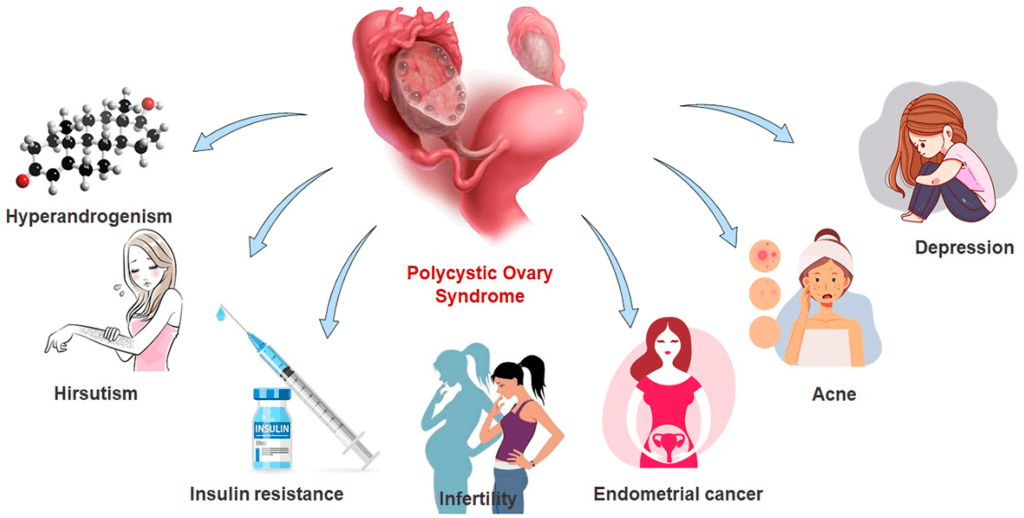
To deepen your understanding of the differences and similarities between Polycystic Ovary Syndrome (PCOS) and Polycystic Ovarian Morphology (PCOM), here are some reputable resources:
- The Polycystic Ovary Morphology–Polycystic Ovary Syndrome Spectrum This article discusses the spectrum of ovarian androgenic dysfunction in PCOS. It explains how this dysfunction parallels the clinical features seen across different phenotypes.
🔗 Read the full article
The Polycystic Ovary Morphology–Polycystic Ovary Syndrome Spectrum
- PCOS and PCOM exist along a spectrum of ovarian androgenic dysfunction.
- Around 95% of classic PCOS cases (those with irregular periods, high androgens, and PCOM) show significant glucose intolerance and hyperandrogenism.
- Some people with PCOM but no symptoms still show subtle hormonal imbalances – suggesting a “PCOS carrier state”.
- A portion of PCOM women may have normal hormone function but increased follicle growth, possibly extending fertility.
- Not all PCOM is PCOS: half of women with PCOM don’t fall on the PCOS spectrum.
PCOM can be a mild, symptomless variant or a sign of underlying PCOS. Understanding this spectrum helps distinguish between normal variants and true PCOS cases.
- Differentiating between Polycystic Ovary Syndrome and Polycystic Ovarian Morphology. This is done by using an Anti-Müllerian Hormone Cutoff Value.
This study explores how Anti-Müllerian Hormone (AMH) levels can help differentiate between PCOS and PCOM.
🔗 Read the full article
Differentiation between PCOS and PCOM by Means of an Anti-Müllerian Hormone (AMH) Cutoff Value
- Goal: To determine if AMH levels can help distinguish between women with PCOS and those with PCOM only.
- Method: 427 women were studied — some had PCOS, others didn’t, but some had PCOM. Researchers measured their serum AMH levels.
- Women with PCOS had significantly higher AMH levels than women who just had PCOM without symptoms.
- The optimal AMH cutoff for diagnosing PCOS was 10.0 ng/mL — showing 71% sensitivity and 93% specificity.
- AMH was strongly associated with testosterone levels in women with PCOS but not in those with PCOM only.

What is Anti-Müllerian Hormone (AMH)?
Anti-Müllerian Hormone (AMH) is a hormone produced by the small follicles in a woman’s ovaries. These are the follicles that have the potential to develop into mature eggs.
Why is AMH important?
🔹 1. Measures ovarian reserve
AMH levels give doctors an idea of how many egg-containing follicles a woman has — a.k.a. her ovarian reserve.
➤ The higher the AMH, the more follicles are present.
🔹 2. Helps diagnose PCOS
Women with PCOS often have elevated AMH levels because they have many small, undeveloped follicles that don’t mature and release eggs properly.
➤ Kaya ginagamit ito to help differentiate PCOS from PCOM.
🔹 3. Fertility testing
AMH is often checked during fertility evaluations. Low AMH may indicate low egg count, while high AMH might suggest PCOS or high ovarian reserve.
AMH level can be a helpful diagnostic marker to differentiate PCOS from PCOM, especially in women under 40. AMH ≥ 10 ng/mL is a potential indicator of PCOS.

AMH levels don’t change during the menstrual cycle, so it can be tested any day of the month — unlike other hormones like FSH or LH.
3. Criteria for Polycystic Ovarian Morphology in Polycystic Ovary Syndrome as a Function of Age
This research examines how age affects the criteria for diagnosing PCOM in the context of PCOS.
🔗 Read the full article
Criteria for Polycystic Ovarian Morphology (PCOM) in PCOS as a Function of Age
- Ovarian volume and number of follicles naturally decrease with age, even in women with PCOS.
- A woman who meets PCOM criteria when she’s younger might no longer meet the same criteria as she ages.
- Researchers found significant drops in follicle count and ovarian volume in both PCOS and non-PCOS groups over time.
- Age-adjusted criteria for PCOM diagnosis may be necessary, especially for women above 30–35 years old.
- Ovarian morphology changes are not always permanent, and a single ultrasound might not be enough to diagnose PCOS in older women.
PCOM should be interpreted with age in mind. Diagnostic thresholds for follicle count and ovarian volume need to be adjusted as a woman ages, to avoid misdiagnosis.

PCOS and PCOM: They Might Sound the Same, But…
Maraming babae ang nalilito dito, kaya linawin natin.
👉 PCOS ay isang hormonal condition. Ibig sabihin, naapektuhan ang hormones mo. Kaya pwedeng makaranas ng irregular na period, acne, facial hair, weight gain. Minsan, hirap mabuntis.
👉 PCOM, hitsura lang siya ng ovaries mo sa ultrasound. Kung nakita ng doctor na maraming maliit na follicles o parang cyst sa ovary mo, tawag doon ay PCOM.
❗ Pero hindi ibig sabihin na may PCOS ka na agad. PCOM ay ultrasound finding lang, hindi siya sakit.
Diyan pumapasok si AMH test o Anti-Müllerian Hormone test. Ito ay isang simpleng blood test. Sinusukat nito kung gaano karami ang egg reserve mo. Nakakatulong din siya malaman kung PCOS ba talaga ‘yan, o normal lang na madami kang follicles.
💡 Reminder: Hindi lahat ng cyst ay masama, at hindi lahat ng may PCOM ay may PCOS. Pero kung may napapansin kang kakaiba sa katawan mo, mas mabuting magpatingin agad sa OB-GYN. Halimbawa nito ay irregular periods or unusual symptoms.
Mas mabuting magpatingin agad sa OB-GYN.
Love, Reese
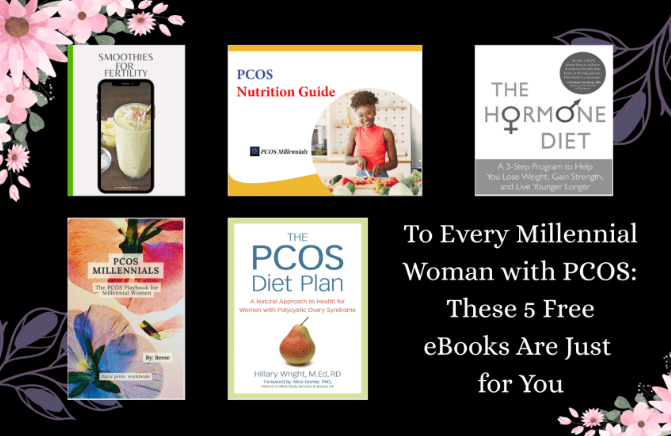
Free eBook for Every Millennial Woman with PCOS: Your Ultimate Guide to Thriving with Hormonal Imbalance





Leave a comment