
Since I started working, I’ve never received any support from the government for my condition.
My condition is Polycystic Ovary Syndrome (PCOS). For so many years, the only thing I can rely on was the HMO provided by my company. It allowed me to consult with an OB-Gyne. I get a transvaginal ultrasound and undergo all the lab tests needed. These were necessary to manage my PCOS.
Pero naisip ko paano ang mga kababaihan na walang sobrang pera. Paano nila uunahin ang kanilang sarili para makapagpa check-up kung meron ba silang PCOS?
What if they’re already experiencing symptoms of PCOS and don’t even know it because they’ve never seen a doctor?
According to an article I read,
“This condition affects an estimated 6–13 percent of women globally. Of these cases, up to 70 percent are undiagnosed.”
This information came from the article “Debunking Misconceptions on PCOS: Expert Explains Why Early Detection is Crucial.” It was published on March 26, 2025.
This really hit me. Imagine how many Filipinas are silently suffering without a diagnosis—no awareness, no treatment, no support.
Did you know?
Around 12.5 million Filipinas aged 15–34 might be living with undiagnosed PCOS 😱
Breakdown ng Numbers (as of 2025):
Total women in PH: 58.54 million
70% undiagnosed sa PCOS: 40.98 million women
Pero ilan sa kanila ang nasa age na madalas nagsisimula o nade-diagnose ang
| 🧒 Age Group | % ng Women | Est. # of Women | Est. w/ PCOS (undiagnosed) |
|---|---|---|---|
| 15–19 y/o | ~9% | 5.27M | ~3.69M |
| 20–24 y/o | ~8% | 4.68M | ~3.28M |
| 25–29 y/o | ~7% | 4.10M | ~2.87M |
| 30–34 y/o | ~6.5% | 3.80M | ~2.66M |
Total (15–34 y/o): 17.86 million Filipinas
12.5 million ang may PCOS but don’t know it yet
Why is this Important?
PCOS symptoms like irregular periods, acne, unwanted hair growth, and weight gain often manifest early. These can as early as your teenage years.
But most of the time, we just brush it off as something “normal” or part of growing up. Kaya minsan, we don’t realize na may something na pala sa hormones natin.
That’s why early detection of PCOS is so important. Recognizing the signs early gives you a better chance to manage it. This can prevent it from leading to serious complications like infertility, diabetes, or long-term hormonal imbalance.
And here’s something not a lot of people talk about:
👉 There’s no actual cure for PCOS. 😔
When I first found out, sobrang sakit sa loob. I honestly thought na baka may gamot lang, tapos okay na. But no—it doesn’t work that way.
Managing PCOS requires a lifelong commitment. It involves taking care of your health and making lifestyle changes. You must learn how to live with it day by day.
Sabi nga ni Medical Specialist III Leedah Ranola-Nisperos,
“Kapag kayo ay na-diagnose with PCOS, panghabambuhay na sakit na ito. Ibig sabihin, we are just correcting the function and the actions of the hormones.”
Shocking, right? But that doesn’t mean we should lose hope.
Experts emphasize that an early diagnosis of PCOS is crucial. Proactive management can lead to a healthy and fulfilling life, even with the condition.
Most women with PCOS have insulin resistance, which means our cells don’t respond well to insulin. Because of that, the body produces even more insulin to compensate.
This triggers higher levels of androgens (male hormones), which can also convert into estrogen. And when these hormones become imbalanced or excessive, that’s when everything starts to go out of control:
👉 Irregular periods are part of PCOS symptoms.
👉 Difficulty getting pregnant is another symptom.
👉 Acne is also included.
👉 Unexplained weight gain counts as well.
👉 Mood swings — you name it, it’s all part of PCOS symptoms.
And if left unmanaged, PCOS can lead to serious long-term health risks like:
- Infertility
- Endometrial cancer
- Type 2 diabetes
- Heart disease
- Sleep apnea
- Anxiety or depression

Here’s the big question:
What support does the government actually give to us as Filipinas living with this condition?
As of now, there’s no specific advantage under PhilHealth that’s exclusively dedicated to Polycystic Ovary Syndrome (PCOS). But there are a few related services that can help women with PCOS, especially those who need surgery:

PhilHealth Case Rates for Gynecological Procedures
While there’s no direct coverage for PCOS, PhilHealth can partially cover procedures related to reproductive health, such as:
- Ovarian cystectomy – ₱23,300
- Vaginal hysterectomy – ₱33,300
- Dilation and curettage (raspa) – ₱11,000
- Mastectomy – ₱22,000
From: Philippine News Agency / Makati Med
These government health benefits can help women with PCOS who may need surgical procedures related to their condition.

Special Leave Benefit under the Magna Carta of Women
According to Republic Act No. 9710, also known as the Magna Carta of Women, female employees who undergo surgery due to a gynecological disorder have the right to avail of a special leave benefit. They can receive up to two months of paid leave based on their gross monthly salary.
This special leave is separate from SSS sickness benefits and can be used together with your PhilHealth coverage. (Source: Philippine Commission on Women)
Important reminders:
- These benefits may vary depending on the specific case and required surgery.
- Always consult with your OB-GYN and visit a PhilHealth-accredited hospital to confirm what kind of coverage you can avail.
- If you’re employed, talk to your HR department to understand how to apply for the special leave for gynecological disorders.
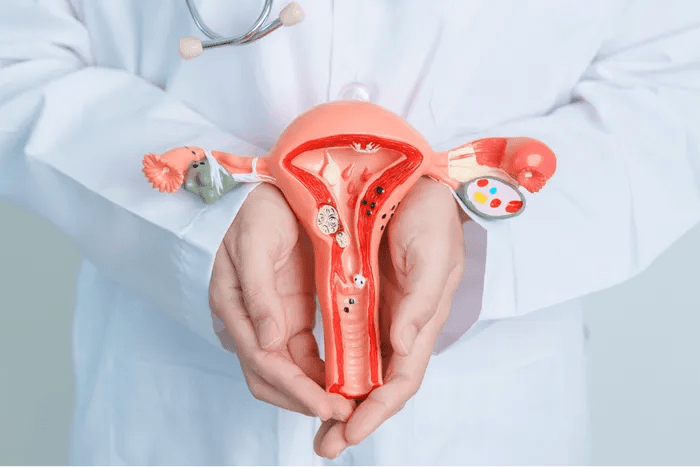
Why Are So Many Filipinas Still Unaware of PCOS?
Polycystic Ovary Syndrome (PCOS) is quite common. Many women in the Philippines stay undiagnosed. Worse, some don’t even know they have it.
So what’s stopping us from getting diagnosed early?
✅ Lack of education – PCOS is rarely discussed in schools, especially in reproductive health classes.
✅ Myths and misconceptions – Many people still think that symptoms like irregular periods, acne, or sudden weight gain are not serious concerns. They do not recognize the seriousness of these symptoms. These individuals believe them to be normal.
✅ Stigma – Some women are embarrassed to talk about PCOS symptoms, especially those related to fertility or hormonal imbalance.
✅ Limited access to OB-GYNs – In rural areas, seeing a specialist isn’t always easy or affordable.
✅ Lack of government support – Up to now, PhilHealth and other government programs still do not provide direct support for PCOS cases directly.
Pero may pag-asa.
Ikaw — tayong mga babae na may boses at karanasan — ang nagsisilbing tulay ng awareness. Habang mas marami tayong nagkukuwento, nagbabahagi, at nagtatanong, mas lumalakas ang collective awareness ng mga Pilipino.
If the government continues to overlook PCOS and doesn’t recognize it as a serious, widespread health concern, here are some of the long-term effects we could be facing — not just on individual women, but on the population and society as a whole:
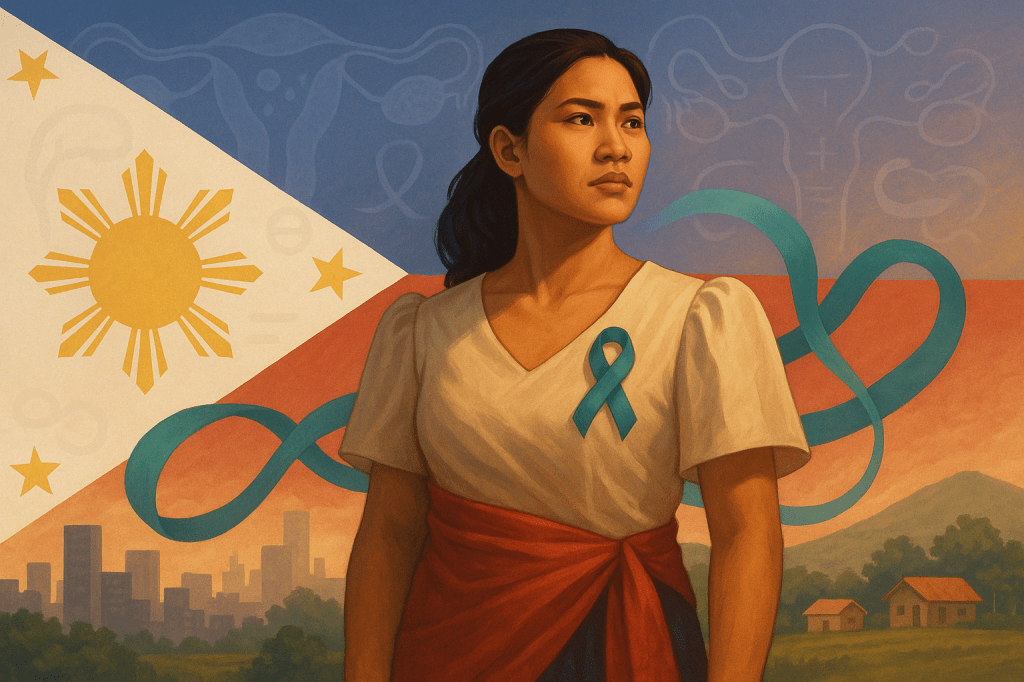
PCOS: A Silent Threat to Our Nation’s Future
1. Fertility Crisis
PCOS is one of the leading causes of infertility.
If millions of Filipinas go undiagnosed and untreated, more women will struggle to conceive. This can eventually affect birth rates in the country. For a developing nation, that’s a huge demographic concern.
Lalo na kung tumatanda ang population without a healthy replacement generation.
2. Mental Health Burden
PCOS is strongly linked with depression, anxiety, and body image issues.
A woman’s mental health worsens the longer she lives with undiagnosed PCOS. This could increase the national demand for psychological services (na kulang pa rin hanggang ngayon).
This adds to the productivity loss, burnout, and overall societal cost ng untreated women’s health issues.
3. Rise in Chronic Diseases
PCOS increases the risk of type 2 diabetes, heart disease, hypertension, endometrial cancer.
If the government fails to act, we will notice more women getting sick earlier in life. This will lead to heavier healthcare costs.
It will also result in lost work hours and strain on the public health system.
4. Underperformance of Women in Workforce
Hormonal imbalances, fatigue, mood disorders, and reproductive issues can lead to absenteeism, low productivity, and even job loss.
PCOS can silently affect a woman’s ability to work at her best. This condition reduces productivity.
It also affects the overall contribution of women to the economy.
5. Intergenerational Cycle
PCOS has a genetic link.
Women with PCOS who don’t receive education or care often pass it on unknowingly to their daughters. Without proper awareness, their children may repeat the same cycle of late diagnosis and untreated symptoms.
So What Can the Government Do About PCOS?
It’s time to recognize PCOS as a serious public health issue here in the Philippines.
Here are concrete steps the government can take to help Filipinas living with PCOS:
✅ Provide free or subsidized diagnostic tests. These include pelvic ultrasound and hormone blood tests, provided especially in government hospitals and barangay health centers.
✅ Include nutrition, fitness, and reproductive counseling in the benefits offered by PhilHealth or local health units.
✅ Launch public awareness campaigns. These should especially target teens and young women. Their purpose is to promote early detection of PCOS symptoms like irregular periods, acne, weight gain, and mood swings.
✅ Train barangay health workers and school nurses to identify early signs of PCOS. This will allow young girls to get help as early as possible.
If we don’t act now, PCOS will become more than a women’s health problem. It will grow into a national issue.
Ignoring it could cost us more than just health. It can affect our future families. It can impact our mental well-being. It may even influence our economy due to untreated complications like infertility, diabetes, and depression.

Kung Kaya ng Ibang Bansa, Kaya rin Natin
USA & Global: PCOS Awareness Month
Did you know that back in 2017, the U.S. federal government officially recognized September as PCOS Awareness Month?
The PCOS Challenge: The National Polycystic Ovary Syndrome Association led this effort. It is one of the biggest organizations supporting women with PCOS.
The goal of PCOS Awareness Month is to:
- Promote education and awareness about PCOS through public seminars, health fairs, and media campaigns
- Provide a support system for women living with PCOS to improve their health and overall quality of life (Pace Hospitals)
In 2024, PCOS Challenge even launched a national tour of PCOS centers and clinics across the U.S. to highlight new developments in PCOS care and connect patients with top OB-GYNs and endocrinologists. (Source: PR Newswire)
World PCOS Day of Unity
But it doesn’t stop in the U.S. — this movement has gone global.
In 2018, the world came together to launch the World PCOS Day of Unity, held every September 1.
On this day, famous landmarks around the world are lit up in teal. This lighting symbolizes global support and solidarity for women affected by PCOS. (Source: BioSpace)
It’s amazing to see this kind of international awareness.
However, here in the Philippines, we still have a long way to go. We need the same energy. We require a strong national campaign. We also need free access to information and more visible support from our government.
Imagine how many lives we could change if every Filipina knew the signs of PCOS early on.
Support from WHO: You’re Not Alone!
Did you know? The World Health Organization (WHO) recognizes PCOS as a major women’s health concern!
They’re working with countries to raise awareness, train doctors, and help women like us get the right care.
Sana ganito din sa Pilipinas, ‘no?
The Reality in the PH: Kulang pa tayo sa Support
Right now, walang official PCOS Awareness Month dito sa Pinas.
May mga talks and seminars, pero mostly private orgs or individuals lang ang nag-e-effort. Wala pa ring government program focused on PCOS screening, education, or support.
Nakakalungkot, pero… pwede pa natin ‘to baguhin!

Let’s Make a Change!
Other countries already have PCOS awareness campaigns, free check-ups, and school programs. Pwede nating gawin ‘to sa Pilipinas!
Here’s how we can start:
✅ Libreng PCOS screening & consultations for all women
✅ PCOS education in schools & health centers
✅ Government-backed PCOS programs (DOH & DepEd, we need you!)
Together, we can make PCOS a priority. Every woman with PCOS deserves care, understanding, and hope. Let’s fight for better health—para sa ating lahat! 💜
Are you with me? Drop a ❤️ if you support #PCOSAwarenessPH!
Let’s make some noise! 🗣️✨
With love and hope,
Reese ❤️
Free eBook for Every Millennial Woman with PCOS: Your Ultimate Guide to Thriving with Hormonal Imbalance






Leave a comment