I was only 23 when I first heard the word PCOS. It was 2009.
I had walked into my doctor’s office for what I thought was a simple check-up. Maybe I had a cyst? But the word she used was different. Polycystic Ovary Syndrome.
Polycystic. Ovary. Syndrome.
It sounded serious. Complicated. Scary. And it was. But more than that, it was confusing. I had so many questions.
Why me?
What does this mean for my future?
Can I still become a mom?
PCOS vs. Ovarian Cysts: Clearing the Confusion
At first, I thought PCOS was just another term for ovarian cysts. But I was wrong. A lot of women confuse the two, and I was one of them.
Ovarian cysts are fluid-filled sacs in the ovary. PCOS, on the other hand, is a hormonal disorder. Yes, women with PCOS often have multiple small cysts on their ovaries, but PCOS involves much more than just cysts. It affects your hormones, your metabolism, your mood, your skin, your fertility – your whole life.

The Day My World Changed
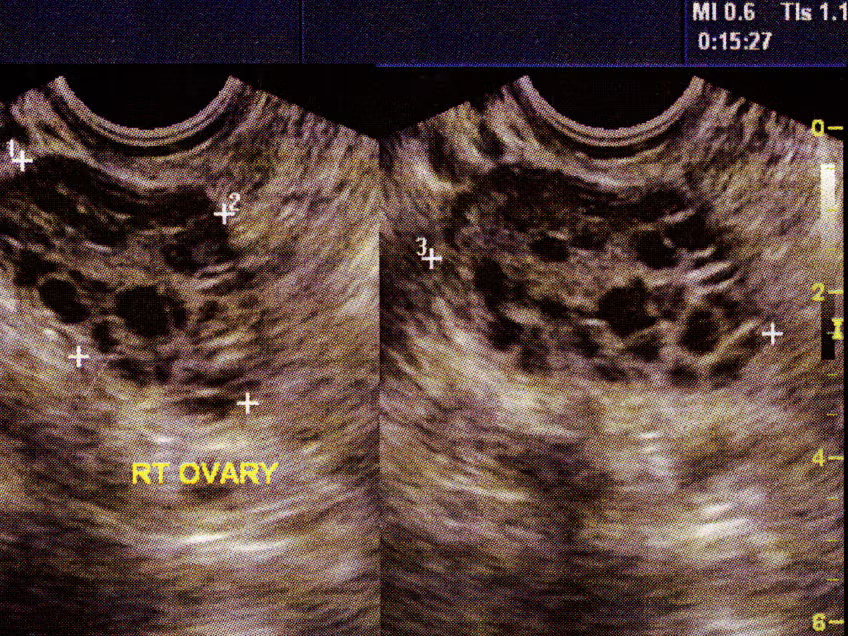
The ultrasound revealed it.
Both of my ovaries were polycystic. The doctor explained it as calmly as she could, but all I could think about was, “Will I ever have children?”
It broke my heart. And it broke again every time my period disappeared for months.
Six months. Then eight months. It was like my body was rebelling against me, refusing to do what it was supposed to do.
I didn’t track my periods before, but suddenly, every day felt like a countdown.
My husband and I talked. We cried. We hoped. And eventually, we accepted.
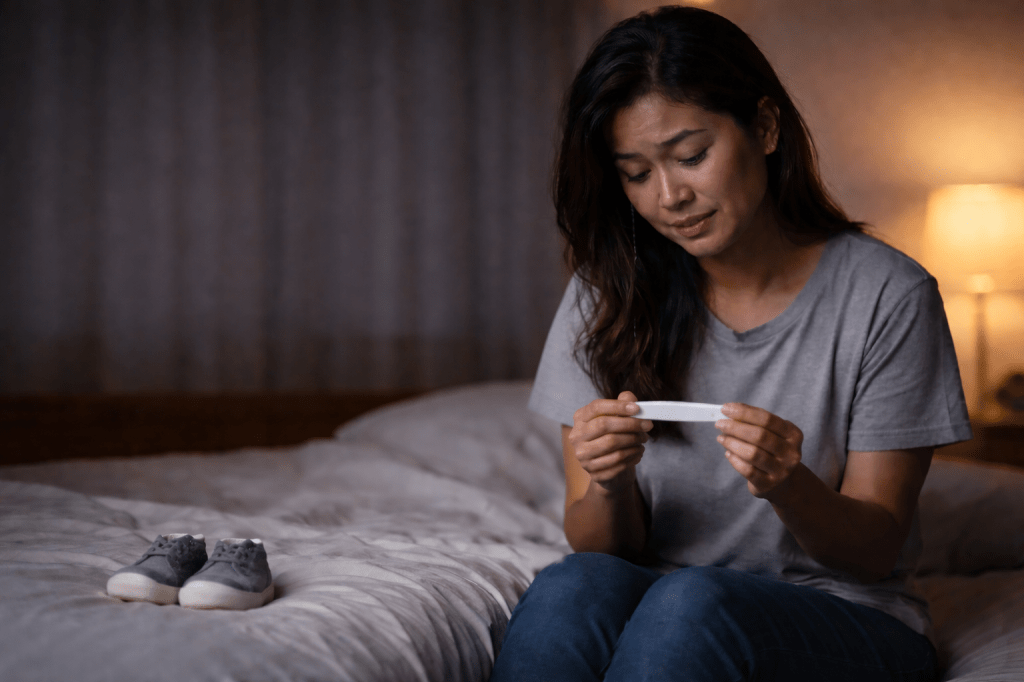
Our love was never based on our ability to have children. But it didn’t mean we stopped wishing for those two lines on a pregnancy test. We still do.
I wrote about that in another blog titled “When the Two Lines Fade: A Filipino Woman’s Journey of Faith, Infertility, and Unwavering Love.“
If you’ve been through it, you know. The rollercoaster of emotions. The hope. The heartbreak. The silent prayers.
The Lifelong Battle: 16 Years and Counting
For 16 years, I’ve fought this condition. And to be honest? I’ve never felt like I’m winning. I tried everything.
- Pills
- Vitamins
- Herbal supplements
- Stem cell therapy
- Exercise
- Lifestyle changes
Every time, I would start strong. I would see some progress.
My period would come regularly for a few months. I’d feel better. Then I’d get checked again, and the doctor would say, “You still have PCOS.”
It was like taking one step forward and two steps back.
Nakakapagod. Nakakasawa. Ang dami mong ginagawa pero parang wala namang nangyayari. The pills made me gain more weight. The supplements gave me headaches. People would say, “Ang laki mo na,” or “Kailan ka ba magkakaanak?”
If only they knew. If only they understood the war going on inside me.

The Science Behind the Struggle
According to the National Institute of Child Health and Human Development, both genetic and environmental factors contribute to PCOS. It runs in families.
Did you know that 1 in 10 Filipinas are diagnosed with PCOS?
That’s about 4.5 million women. Every single day, more are added to the list. These women walk around with invisible battles. Some don’t even know they have it yet.
And some, like me, have been living with it for years.
PCOS management isn’t one-size-fits-all, but here are some things that helped me:
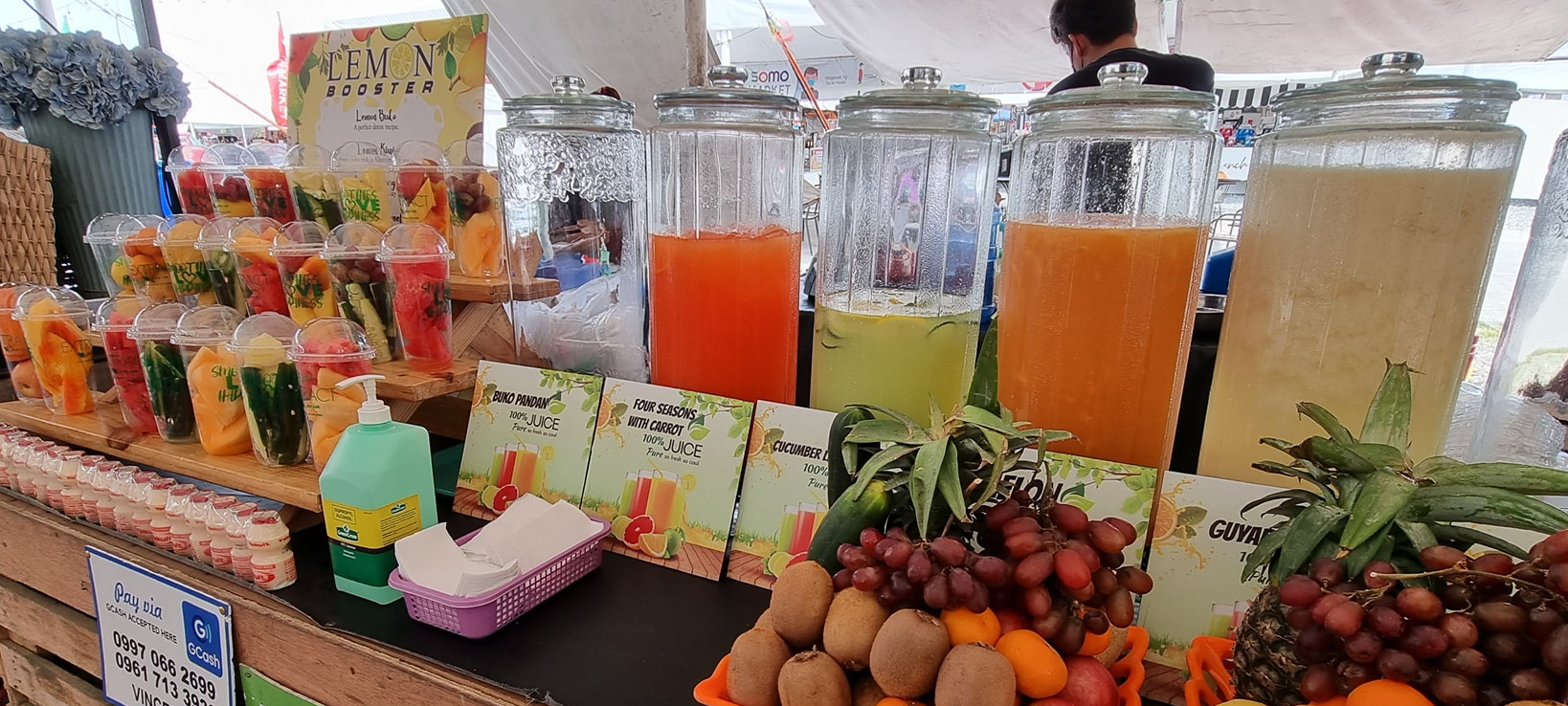
- Eating more vegetables and fewer carbs
- Drinking more water
- Walking every day
- Sleeping early
- Avoiding processed sugar
- Learning how to manage stress
It wasn’t easy. And it’s still not. But these small changes gave me some control back. Para kahit papaano, ako naman ang may hawak ng katawan ko.
The Silent Pain of Being Misunderstood
“Mataba ka kasi.”
“Magpapayat ka lang, mawawala yan.”
“Mag-anak ka na para gumaling ka.”
These are things I’ve heard. Too many times.
But PCOS is not a weight issue. It’s a hormonal issue that affects weight. And it hurts when people don’t understand. Kaya nga I decided to speak up. To share. To tell my story in hopes that someone else will feel less alone.
Every day, I choose to hope.
I still look at pregnancy tests and imagine what it would feel like to see two lines. I still believe that healing is possible – in body, in mind, in heart.
Hindi pa huli ang lahat. You are not broken. You are not alone.
Why We Need to Talk About PCOS
The more we talk, the more we learn.
The more we share, the more we heal. Conversations around PCOS need to be louder, kinder, and more frequent. Let’s educate others. Let’s raise awareness. Let’s hold hands through the pain.
You are strong. Even when you feel weak. You are beautiful. Even when your hormones tell you otherwise. You are worthy. Even if your body doesn’t work the way it “should.”
Keep going. Keep fighting. Keep hoping.
This isn’t the end of my story. It’s not the end of yours either. Whether you’re newly diagnosed or 16 years in like me, you are part of a sisterhood.
A powerful, resilient, beautiful group of women who wake up every day and face the same invisible battle.
We are warriors. And we are winning – one small victory at a time.
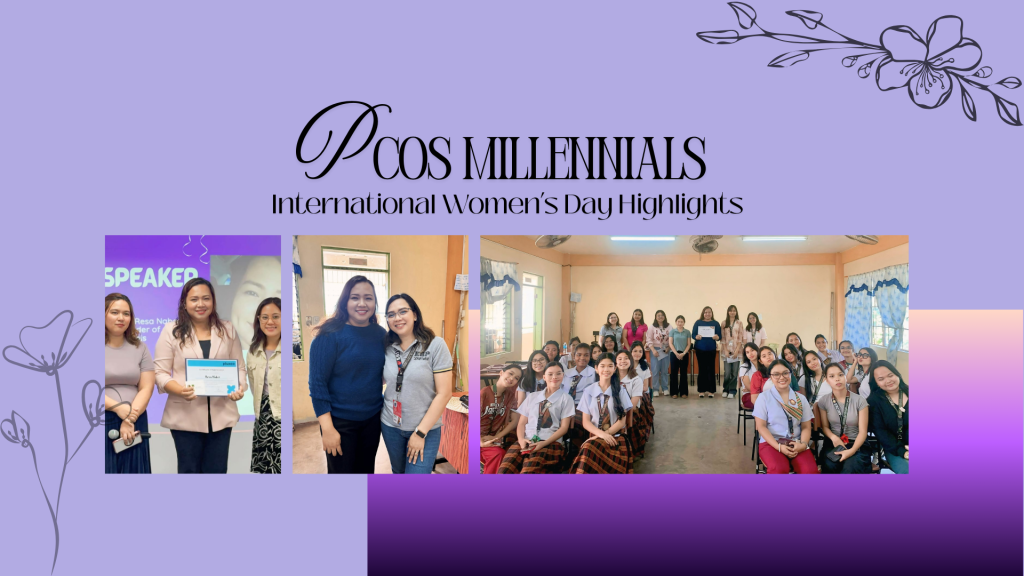
If this blog touched your heart, please share it. Post it on your feed. Tag a friend who needs to read it. Follow our page for more real stories, tips, and encouragement.
Let’s build a community where every Filipina with PCOS feels seen, heard, and empowered.
Love,
Reese 💜
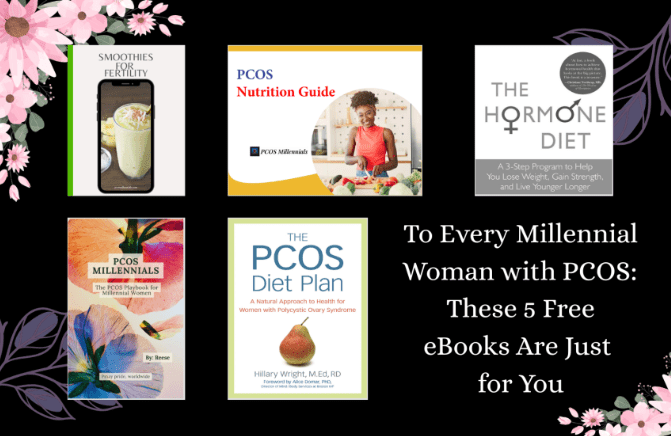
Free eBook for Every Millennial Woman with PCOS: Your Ultimate Guide to Thriving with Hormonal Imbalance


Leave a comment